HEAR FROM OUR COMMUNITY
CHAPTER
BLOG
Do you have a passion for writing? As of 2024, the CRBA Writers Team has officially been established within the Communications Team to help capture countless climate efforts and stories experienced by our chapter members and local community. If you’re interested in joining a team that can provide guidance for easy contributions, please contact Keith, Writers Team Lead.

What happens when the climate stripes reach your own backyard? In this personal reflection, CRBA member, artist, gardener, and environmental advocate Tracey Chaykin explores the simple visual power of the warming stripes. From heat-stressed tomatoes during the punishing summer of 2024 to a very different growing season in 2025, Tracey finds encoded in her garden the traces of a larger climate story unfolding right now, both global and local, concrete and abstract.
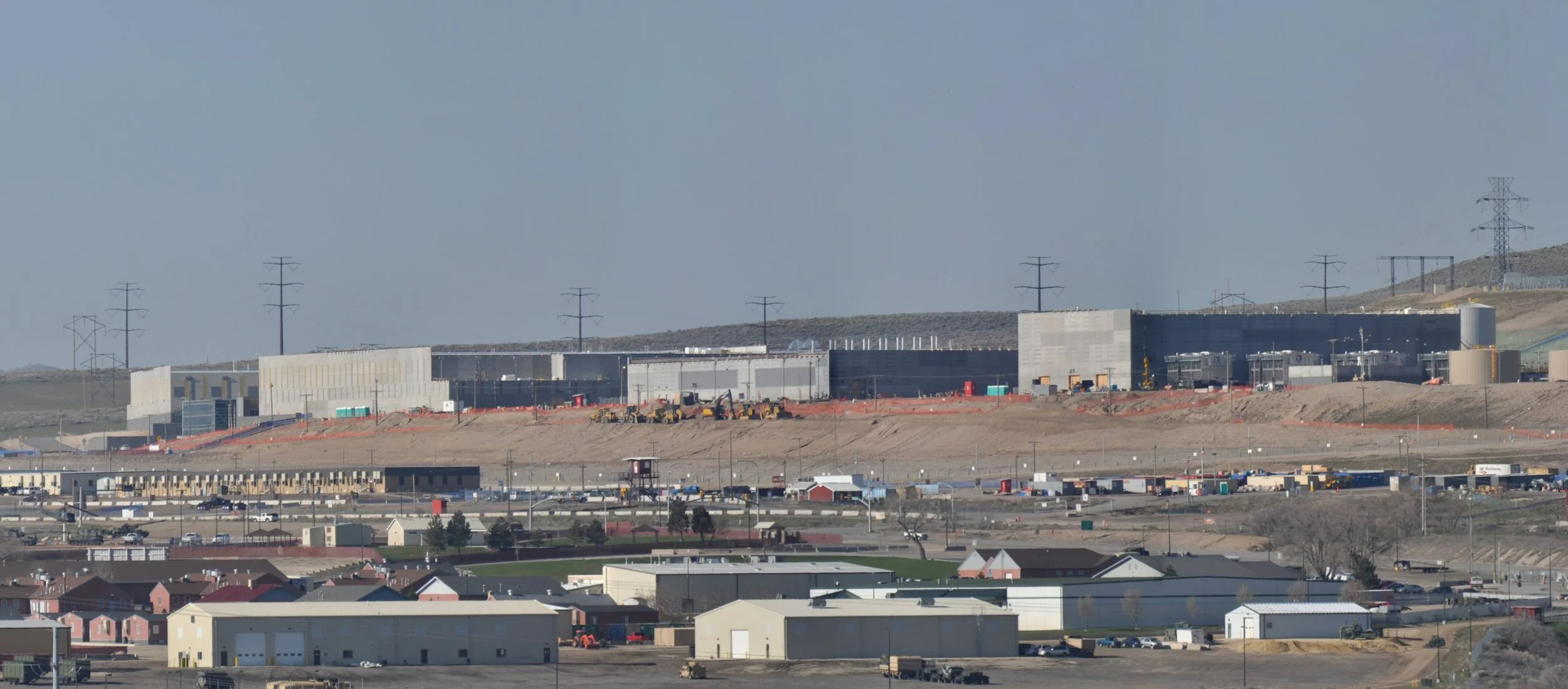
The AI boom is fueling a massive expansion of data centers—and an equally dramatic increase in electricity demand. Where will all that new power come from? This first post in our three-part series looks at why the answer matters for the climate, including the risk that new data centers could prolong our reliance on natural gas and other fossil fuels, increase CO₂ emissions, and strain an already challenged electrical grid. It also looks at why communities and climate advocates are calling for stronger safeguards—and a better path forward.
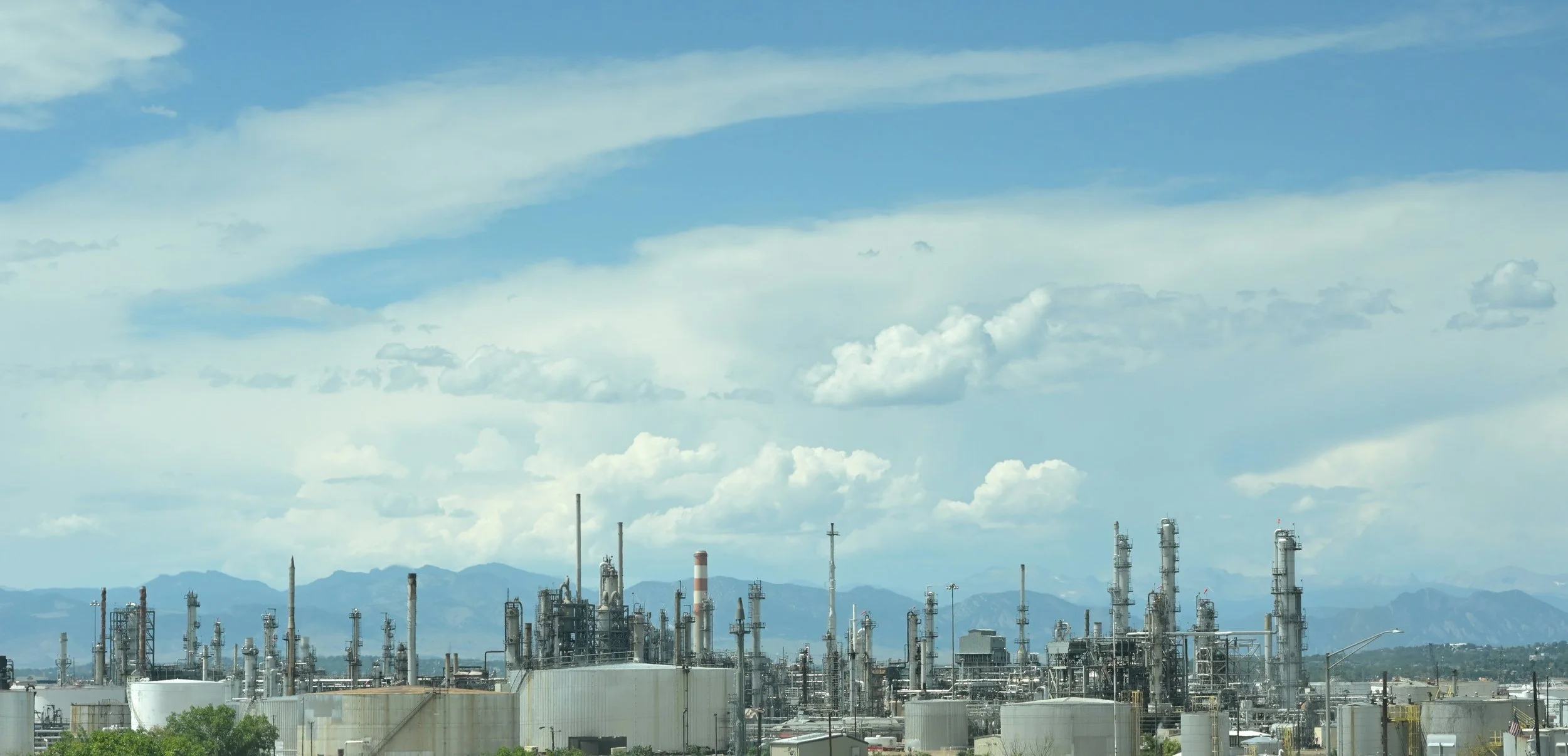
Despite what we now know about the limits of industrial carbon capture (outlined in our companion post: The Limits of Carbon Capture in the Race Against Global Warming), California is still relying on industrial carbon capture for its climate goals.
This post examines the proposed Montezuma Carbon Capture and Sequestration Hub targeting southern Solano County and the scope of its potential environmental, public health, and community impacts.
Learn why the time to act is now and how you and other Bay Area residents can help stop the project before it’s too late.
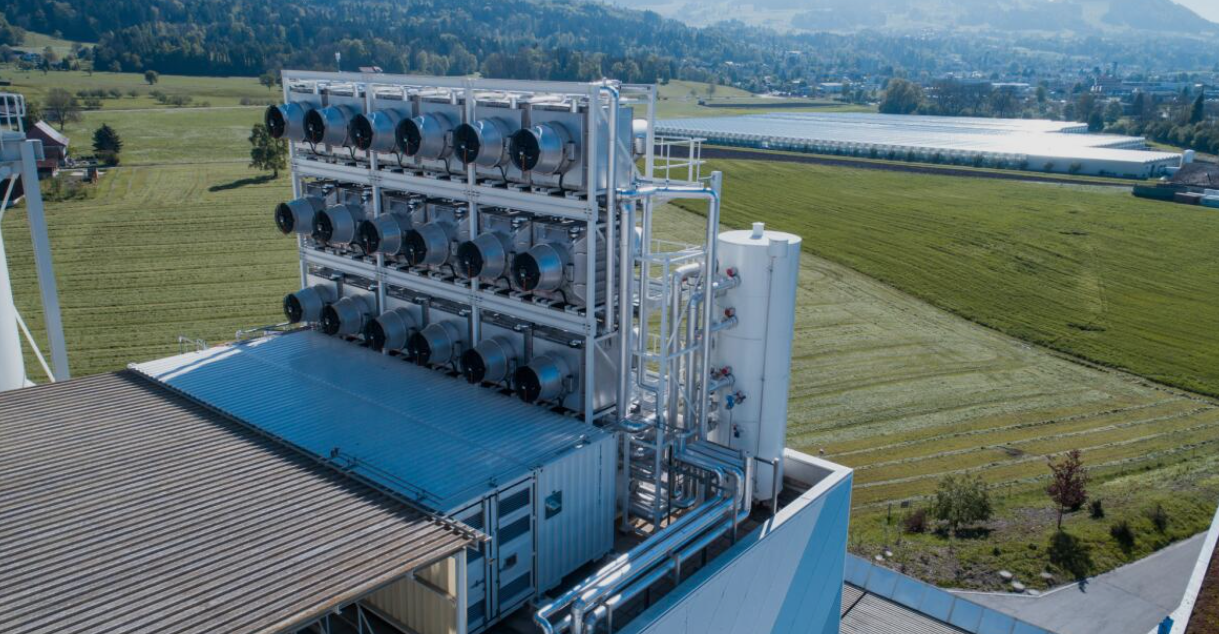
Is carbon capture a climate solution we should get behind or is it a ploy fashioned by disinformation campaigns and designed to prolong our reliance on fossil fuels? In this post we'll untangle fact from hype with a close look at hard evidence, detailing carbon capture's deep limitations, and sharing what’s recently been uncovered about how carbon capture made its way into climate models to begin with.

In the second installment of The Earth-Minded Muse, CRBA member, artist, and environmental advocate Tracey Chaykin reflects on the quiet lessons waiting just outside the back door. From the restorative power of getting our hands into living soil — restoring both our own well-being and the health of the soil that nourishes our gardens — to the climate benefits of regenerative gardening, she reminds us that meaningful environmental action often begins with simple, intentional choices... and sometimes with a single seed.

Each month you’ll find a new edition of The Earth-Minded Muse here on our CRBA blog pages.
You’ll find stories from my drought-resistant garden, reflections on conservation and stewardship, and observations drawn from the beauty, resilience, and vulnerability of the natural world.
This column is for those who want to feel encouraged rather than overwhelmed, inspired rather than defeated, and connected rather than alone in the work of caring for our planet.
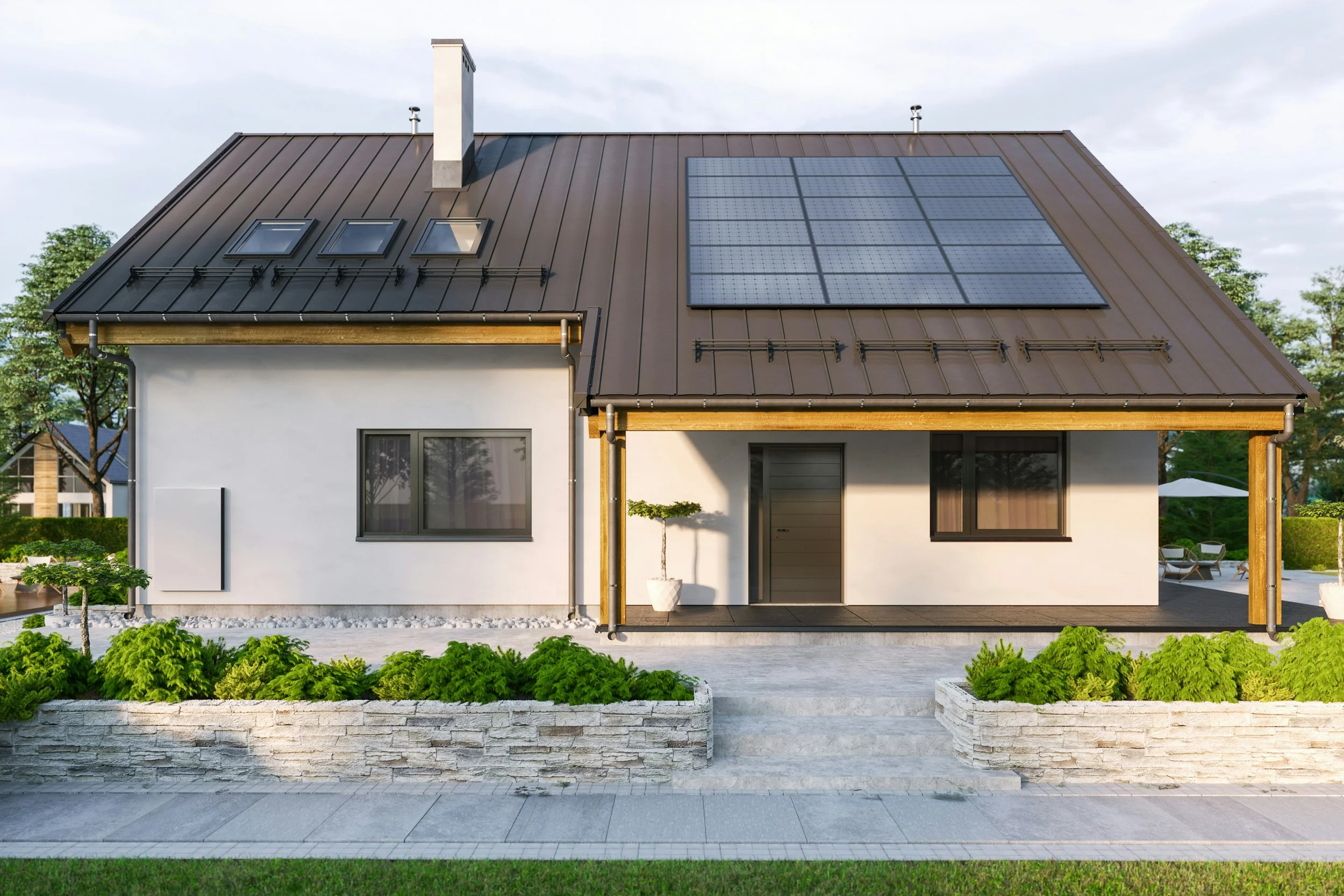
With less favorable net metering contracts now in effect, many homeowners are hesitant to get rooftop solar, fearing it just doesn’t make for a sound investment. In this post, we offer a quick rundown of why rooftop solar projects can still pay off, even under Net Metering 3.0. You’ll find a breakdown of how net metering contracts have evolved, an objective modeling of upfront costs vs. long-term savings for an average Bay Area household, tips on how to design your project for optimal savings, and a guide to navigating your own rooftop solar project.
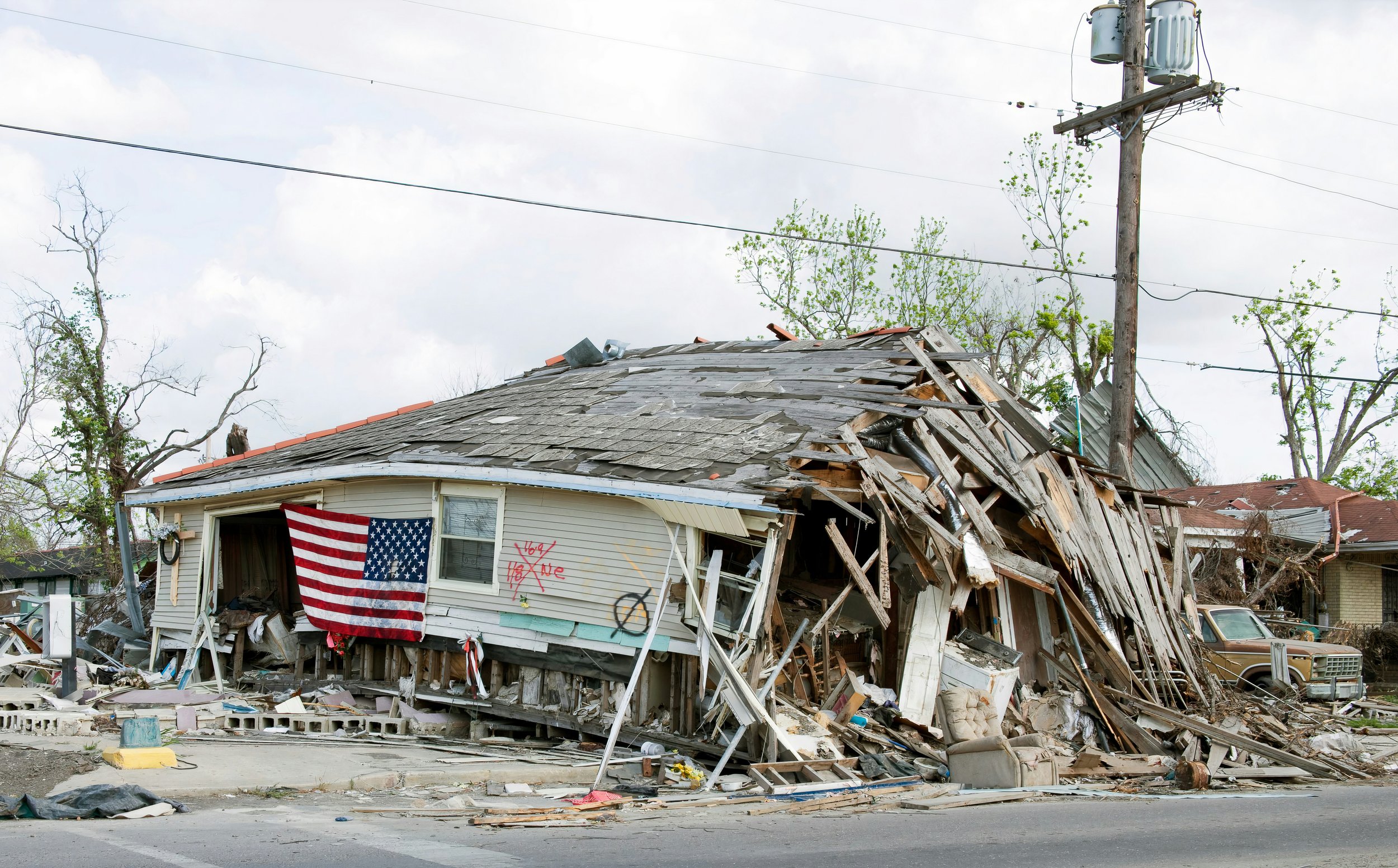
This final post in our six-part series highlights how climate denialism is shaping federal climate policy. Drawing on scientific evidence, public opinion data, and policy analysis, we explore what’s driving climate denialism, the key tenets of climate change science, and what’s at stake for communities, ecosystems, and economies when climate change denialism informs federal climate policy.
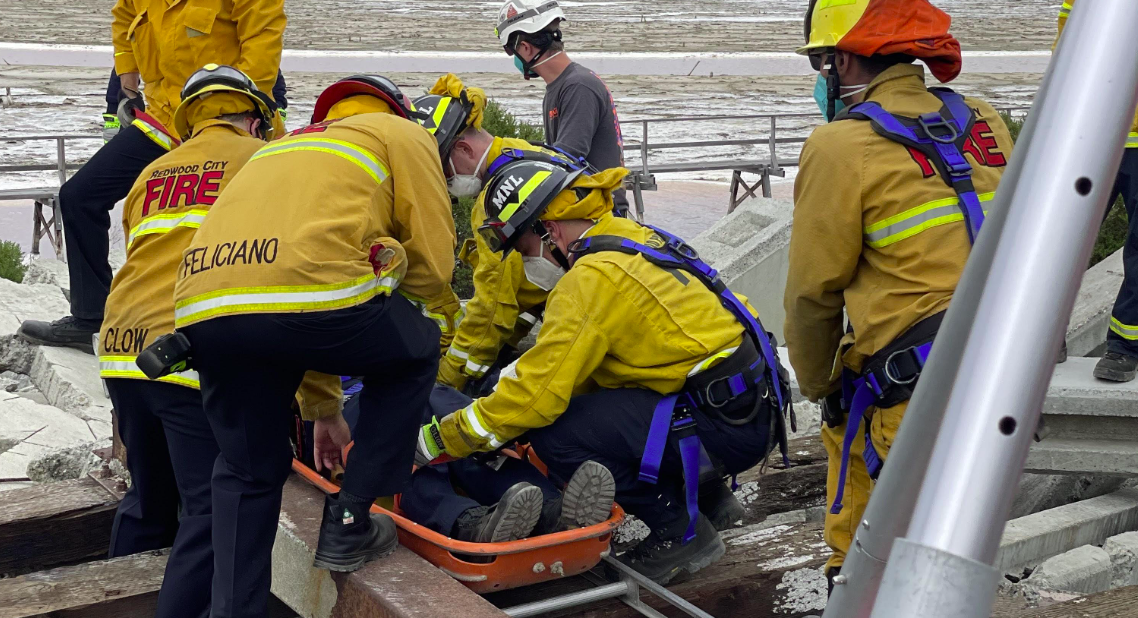
In the fifth post for our series Mapping the Federal Retreat on Climate Action, we examine how federal cuts to climate agencies and emergency preparedness programs are affecting public safety in the Bay Area right now. Using real local examples — including halted climate resilience centers, suspended infrastructure projects, and strain on first responder teams like California Task Force 3 — this post explores how weakened federal support can ripple outward into local consequences for residents, activists, and lawmakers across the greater SF Bay and Delta Region.
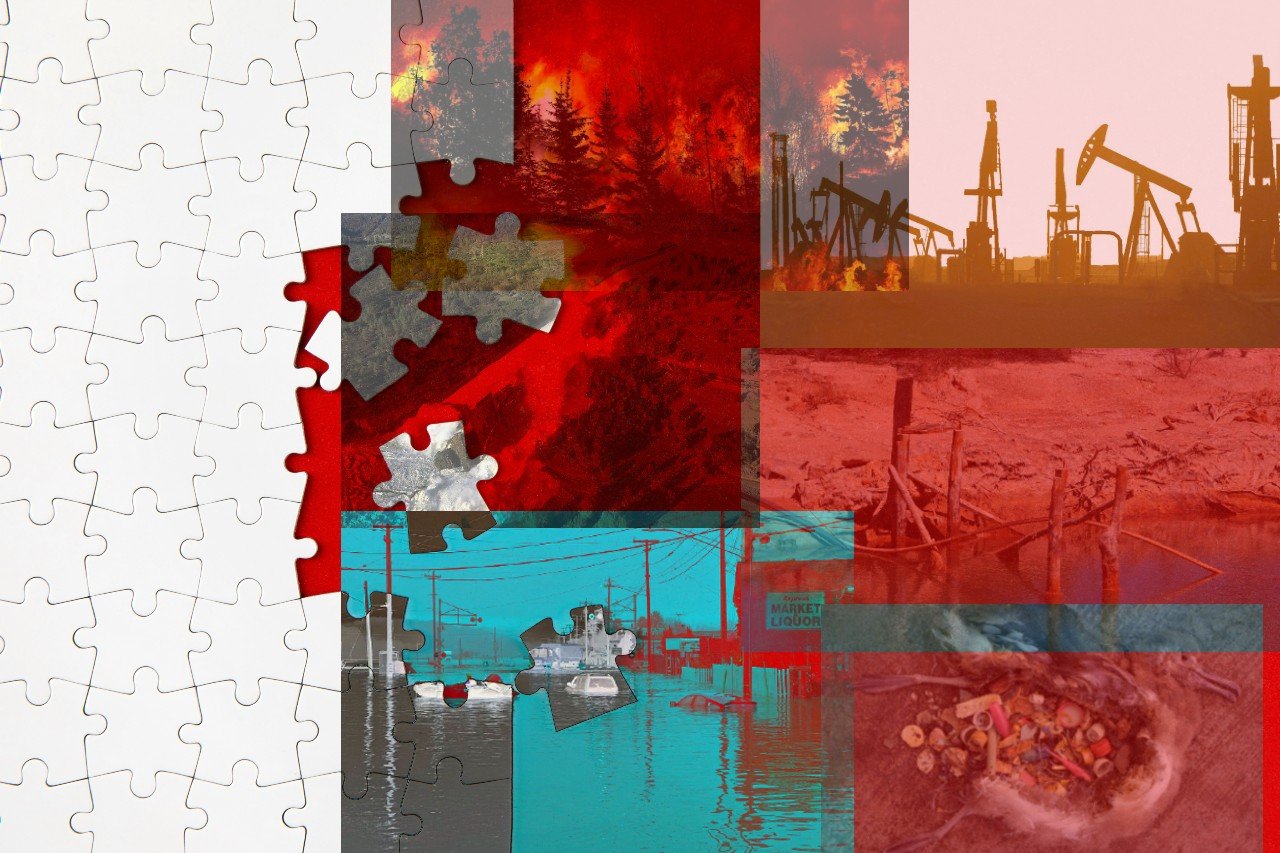
Federal climate agencies do more than issue forecasts or respond to disasters — they form an interconnected safety net that supports local planning, preparedness, and resilience. This post examines how cuts to core agencies like NOAA, FEMA, and the EPA — including the dismantling of the EPA’s Office of Research and Development will have a domino effect — weaking larger systems that protect public safety and ensure disaster readiness and planning, nationally and locally.

Flooding, extreme storms, and sea level rise are becoming everyday risks for Bay Area communities — and reliable climate science plays a critical role in preparing for them. This article examines how federal cuts to forecasting, modeling, and monitoring systems could weaken early warnings and long-term planning, increasing uncertainty just as water-related climate risks accelerate.

As wildfire seasons grow longer and more destructive, Bay Area communities increasingly rely on federal agencies for accurate forecasts, emergency preparedness, and long-term climate research. This post explains how federal funding cuts to NOAA, FEMA, and climate science programs could weaken wildfire monitoring, early warning systems, and disaster response capacity in California. Focusing on local impacts, it outlines what these changes mean for public safety, community resilience, and why protecting science-based wildfire planning matters now more than ever.
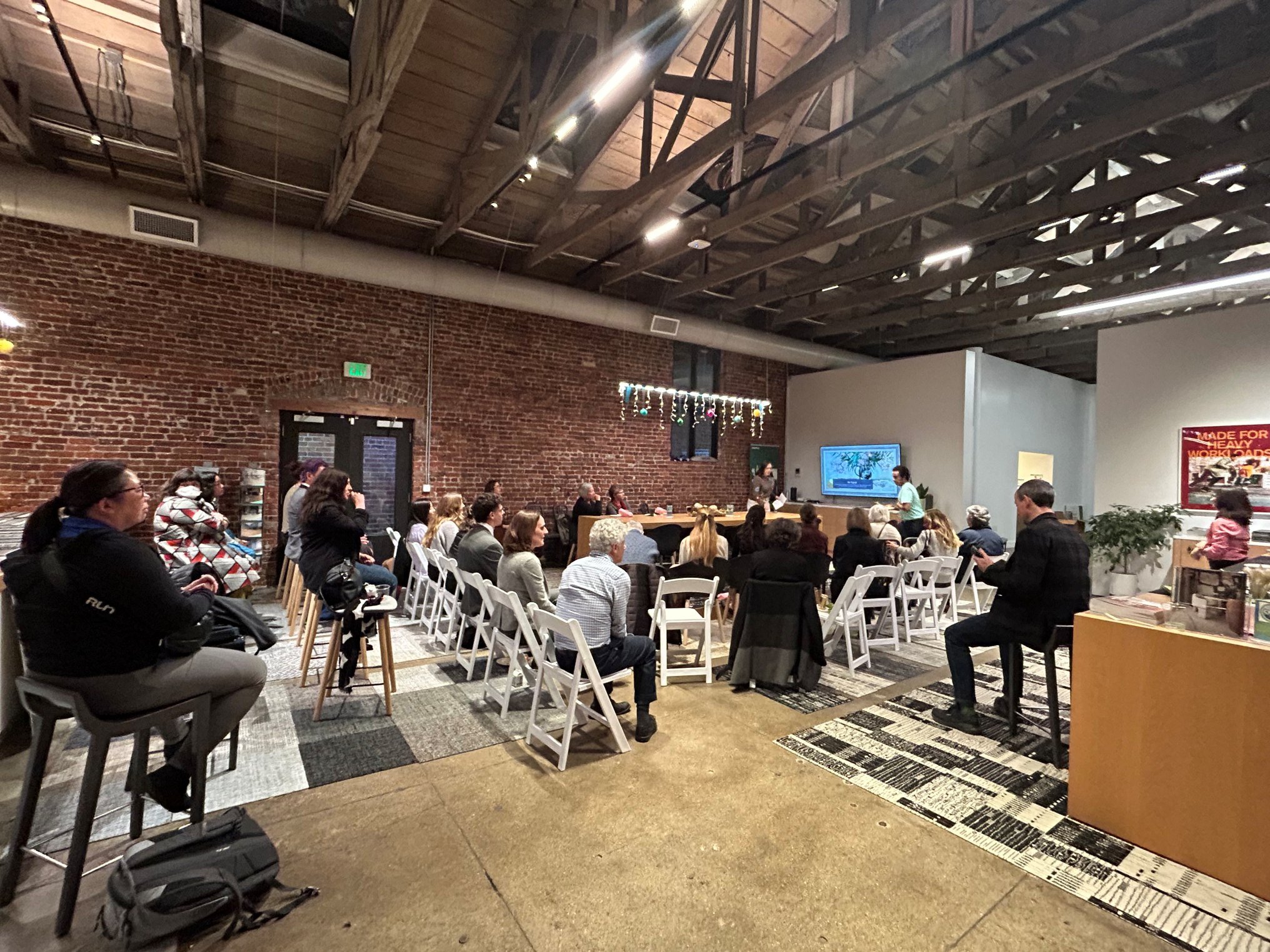
I recently joined a gathering of about thirty climate activists for a screening of Beyond Zero at the Interface showroom in San Francisco, and I’ve been thinking about it ever since. The film recounts how the CEO of Interface, a global carpet company, was inspired to put the company on a path to sustainable practices starting back in the 1990s. Seeing that story in the place where some of those innovations now live felt surprisingly grounding. Discovering how Interface’s corporate journey wasn’t driven by existing technologies or by mandates or corporate governance fads but above all by a corporate leader’s uncompromising commitment to environmental accountability — a where there’s a will there’s a way approach — made me see that the biggest obstacle to solving the climate crisis may be the narratives we’ve created for ourselves.

Businesses across the Bay Area are going clean — thanks to local programs, community partnerships, and practical upgrades that cut costs and carbon. See how the shift is taking shape in the commercial sector across the Bay Area, and discover practical ideas and a list of helpful resources that help SF Bay Area business owners and leaders ramp up their clean energy commitments.

California’s rooftop solar policy is under renewed scrutiny. In August 2025, the California Supreme Court ordered a lower court to re-examine the state’s controversial “NEM 3.0” rules, which slashed compensation for solar customers feeding energy back to the grid. The decision gives climate advocates a fresh chance to challenge policies they say undervalue clean energy and harm working families. Here’s what the ruling means — and what Bay Area homeowners need to know if they’re considering going solar today.

Climate Changemakers has recently joined The Climate Reality Project. This new combination of expertise brings us one step closer in finding solutions for the climate crisis and in making change happen. Pairing Climate Changemakers expertise in advocacy and unique tools for community engagement with our training resources and expansive network creates a powerful vessel for effective climate action.
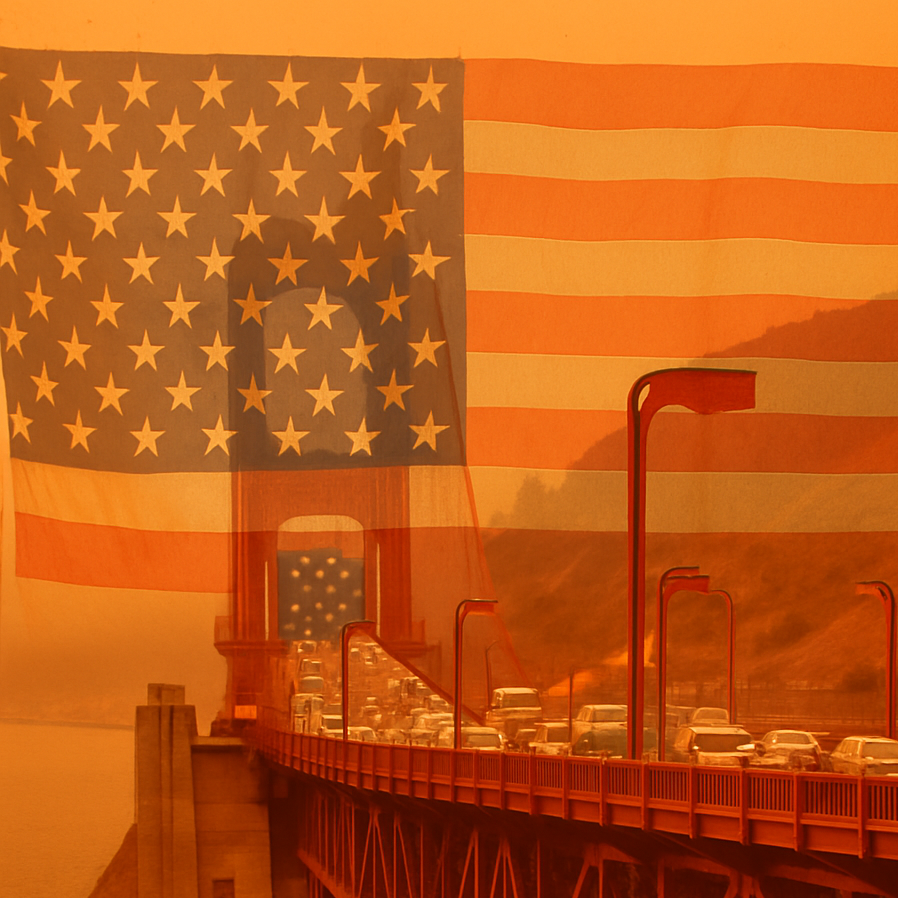
The Trump administration is rolling back climate science and protections just as climate impacts intensify. Cuts to NOAA threaten weather forecasts and research, a disputed DOE report downplays greenhouse gases, and EPA moves to rescind the Endangerment Finding that underpins U.S. emissions rules. These federal retreats put communities at risk — including here in the Bay Area — but local leaders and residents can step up to defend science and push for action.
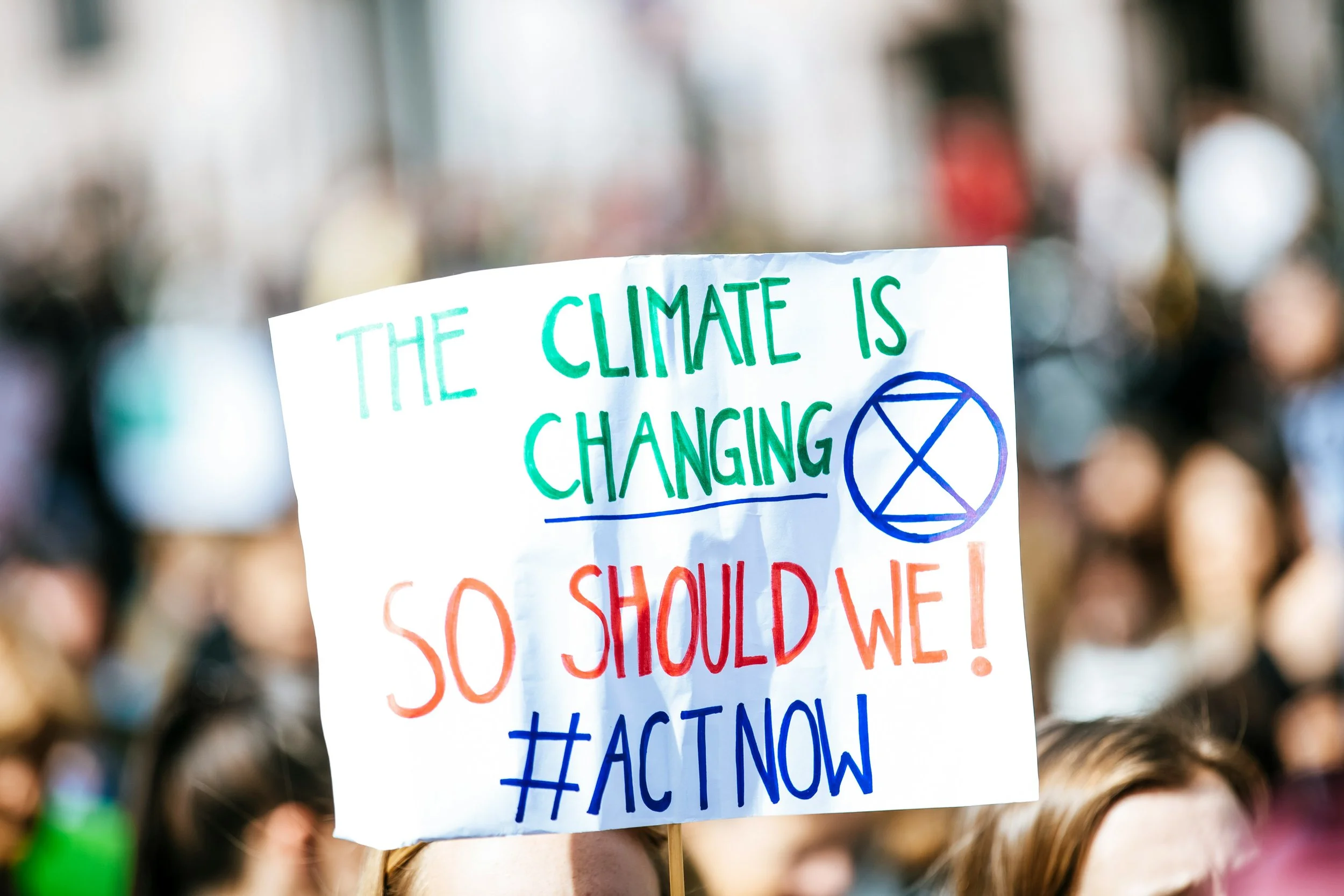
The landscape of climate action feels like it’s shifting beneath our feet. From federal leadership relinquishing leadership on climate science and clean energy, to attacks on climate science, the undercutting of the Biden-era EPA Endangerment Principle, and the massive energy consumption of growing AI data centers, where do we stand, how will local communities, and the most vulnerable communities be impact, and where do we make a stand? The answers aren’t always clear. But what is clear is that our local networks, agencies, and grassroots movements are more important than ever. Climate Reality Bay Area (CRBA) is spotlighting four campaigns that invite reflection and action — and we’d love for you to be part of the conversation.

In this article CRBA Leader and CRBA SF Policy activist Dave Rhody challenges the Golden Gate Bridge District’s continued investment in diesel ferries. Drawing on years of persistent advocacy for clean energy solutions, Rhody exposes the myths around “renewable diesel,” questions claims about electric ferry limitations, and urges transit leaders to get serious about zero-emissions transit on the Bay.


When you think of environmentalism, you might picture protests or climate reports — but it actually shows up in all kinds of everyday places. From farming and food to clean energy, public health, the arts, and even outdoor fun, caring for the planet is part of how we live and work. This post offers a quick look at how environmentalism connects to so many parts of life, and why that matters more than ever.
Photo Credit: Louis Reed, on Unsplash

In this post we celebrate Earth Month’s 55th birthday by commemorating what environmentalism is about, why it’s a project we can all get behind, and why it matters (so much). And, with climate change leading to more and more frequent and intense disasters and disruptions to health, agriculture, and more, it’s as good a time as ever to show up to work for the planet if you haven’t taken that step yet, or to renew your interest and commitments to the work! Our planet and our kids’ futures depend on us.

Under the Trump administration, funds for building electrification incentives are disappearing, so this is a great time to learn more about California electrification goals and what incentives are out there.

Did you know the SF Bay Area is emerging as ground zero for a sustainable fashion revolution? This post explores six regional trends — from eco-conscious values to tech innovations — shaping this movement and providing all the ingredients that can make the SF Bay Area a hub for an eco-business revolution that, with scalable models, offers viable alternatives to today’s fast fashion industry and the harms it inflicts on the planet and workers. Keep reading to see which piece of the puzzle you fit into and how you can support and amplify this uniquely “made in the SF Bay Area” fashion revolution.
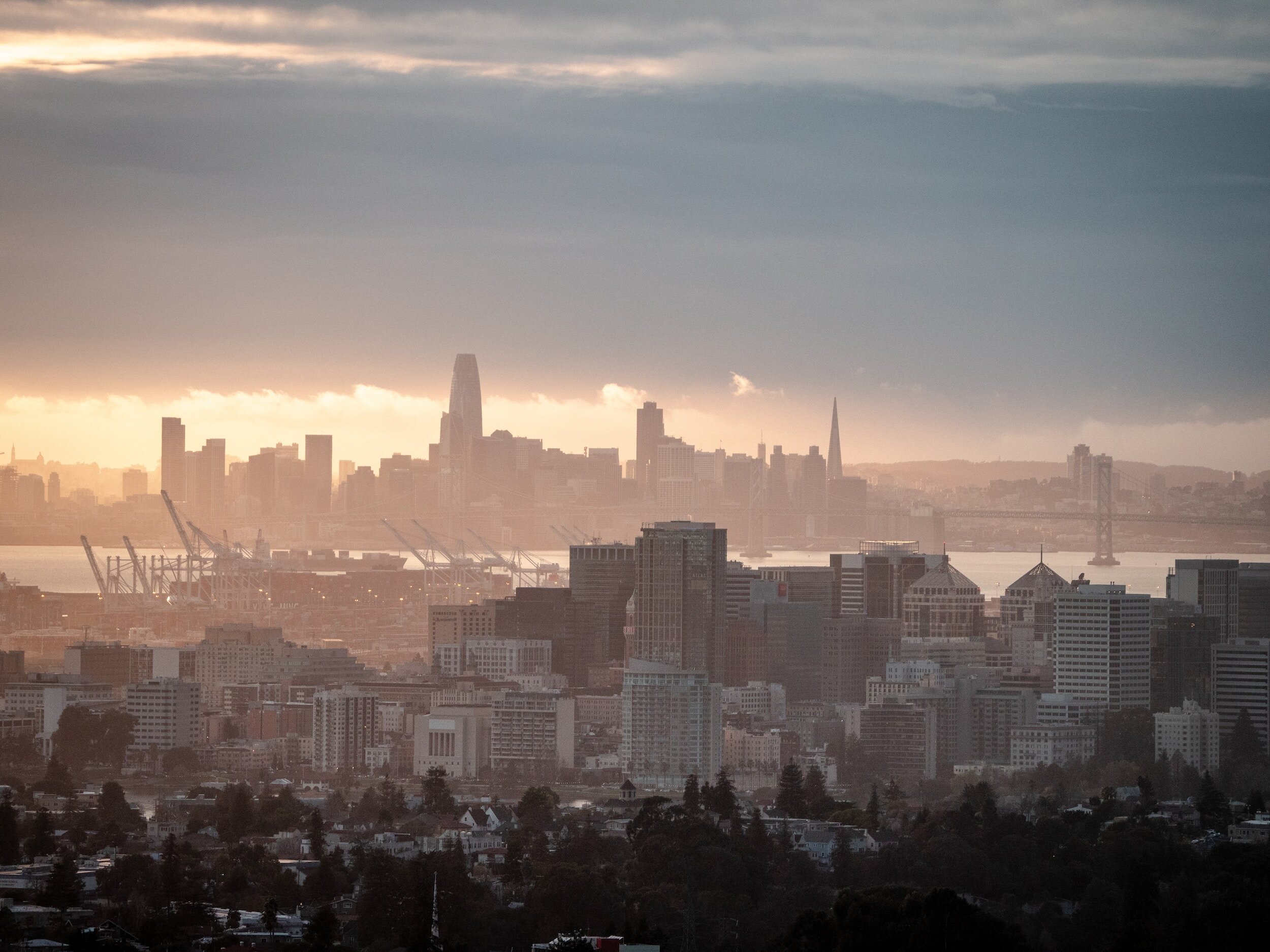
The AI data center boom is increasingly becoming a local issue for Bay Area and Delta communities. This post looks at where development is expanding, how projects move through local and state approval processes, and how residents and policymakers are beginning to push back. From electricity and water demands to pollution, utility costs, and community benefits, the choices being made one project at a time could have consequences far beyond individual city limits.