HEAR FROM OUR COMMUNITY
CHAPTER
BLOG
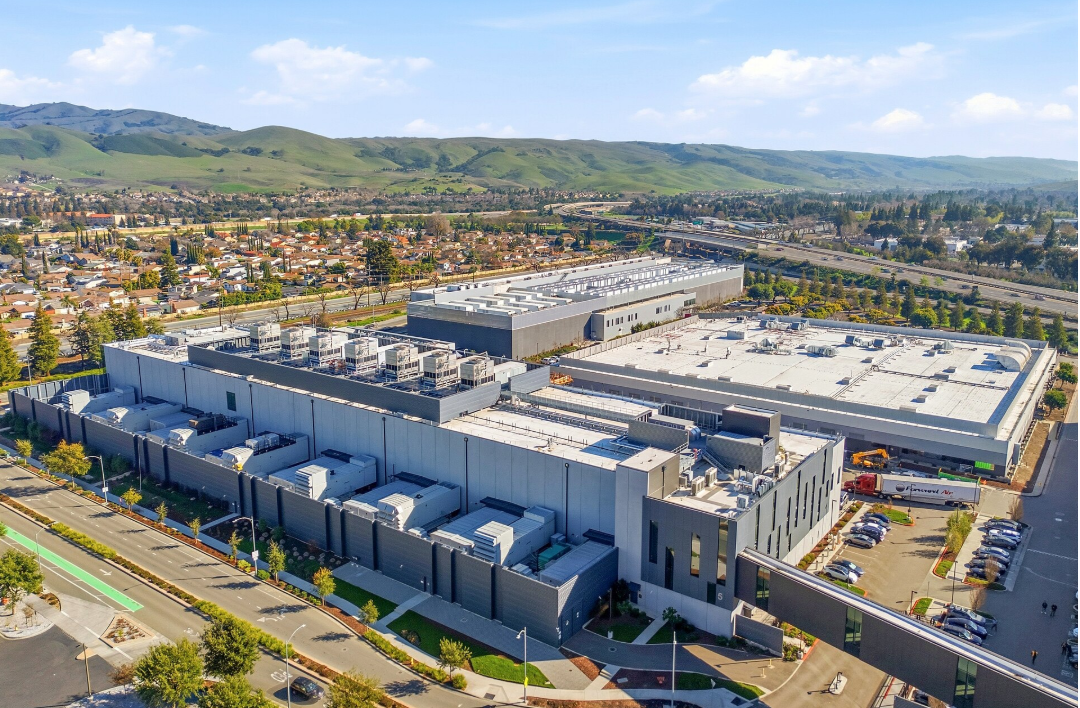
AI Data Center Construction and the SF Bay-Delta Region: Potential Local Impacts and Signs of Resistance
The AI data center boom is increasingly becoming a local issue for Bay Area and Delta communities. This post looks at where development is expanding, how projects move through local and state approval processes, and how residents and policymakers are beginning to push back. From electricity and water demands to pollution, utility costs, and community benefits, the choices being made one project at a time could have consequences far beyond individual city limits.
When the Climate Stripes Reach My Garden
What happens when the climate stripes reach your own backyard? In this personal reflection, CRBA member, artist, gardener, and environmental advocate Tracey Chaykin explores the simple visual power of the warming stripes. From heat-stressed tomatoes during the punishing summer of 2024 to a very different growing season in 2025, Tracey finds encoded in her garden the traces of a larger climate story unfolding right now, both global and local, concrete and abstract.
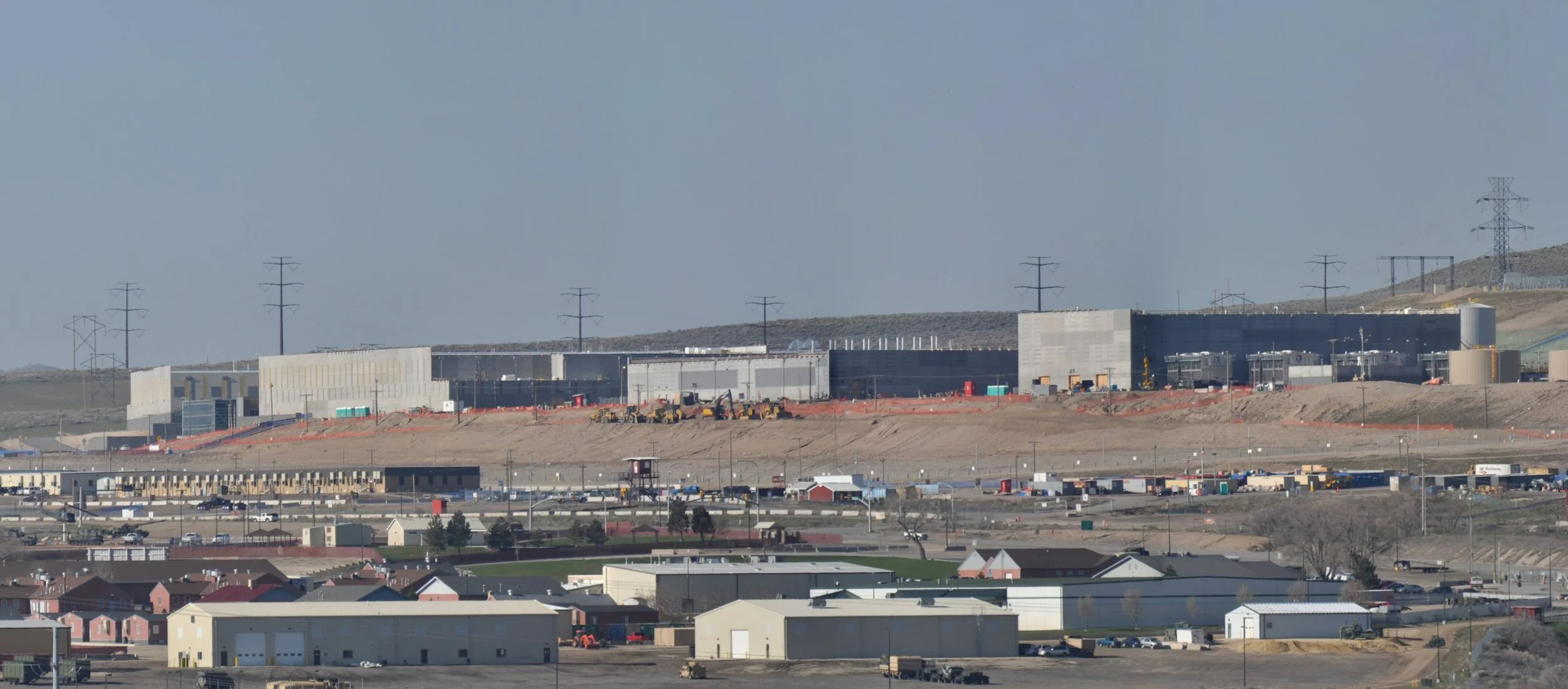
Why We Need AI Data Center Moratoriums Now: A Global Warming and Environmental Justice Perspective
The AI boom is fueling a massive expansion of data centers—and an equally dramatic increase in electricity demand. Where will all that new power come from? This first post in our three-part series looks at why the answer matters for the climate, including the risk that new data centers could prolong our reliance on natural gas and other fossil fuels, increase CO₂ emissions, and strain an already challenged electrical grid. It also looks at why communities and climate advocates are calling for stronger safeguards—and a better path forward.
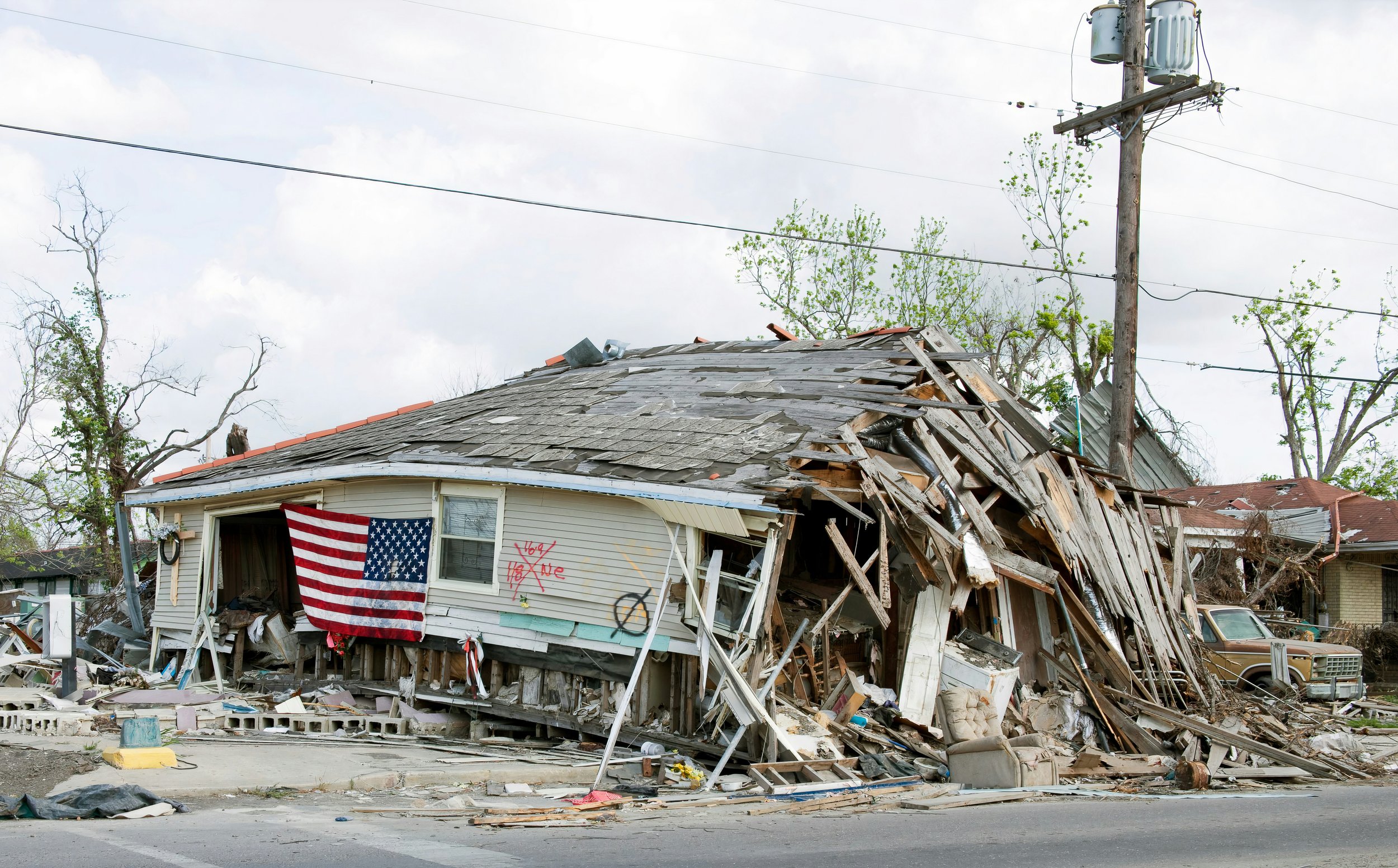
When Climate Change Denialism Drives Federal Policy — A Recipe for Disasters
This final post in our six-part series highlights how climate denialism is shaping federal climate policy. Drawing on scientific evidence, public opinion data, and policy analysis, we explore what’s driving climate denialism, the key tenets of climate change science, and what’s at stake for communities, ecosystems, and economies when climate change denialism informs federal climate policy.

Water Frontlines: How Federal Cuts May Increase Flood and Sea Level Risks in the Bay Area
Flooding, extreme storms, and sea level rise are becoming everyday risks for Bay Area communities — and reliable climate science plays a critical role in preparing for them. This article examines how federal cuts to forecasting, modeling, and monitoring systems could weaken early warnings and long-term planning, increasing uncertainty just as water-related climate risks accelerate.

Wildfire Risk and Federal Cuts to NOAA, FEMA, and Climate Research: What Bay Area Communities Need To Know
As wildfire seasons grow longer and more destructive, Bay Area communities increasingly rely on federal agencies for accurate forecasts, emergency preparedness, and long-term climate research. This post explains how federal funding cuts to NOAA, FEMA, and climate science programs could weaken wildfire monitoring, early warning systems, and disaster response capacity in California. Focusing on local impacts, it outlines what these changes mean for public safety, community resilience, and why protecting science-based wildfire planning matters now more than ever.