Why We Need AI Data Center Moratoriums Now: A Global Warming and Environmental Justice Perspective
This post, Why We Need AI Data Center Moratoriums Now: A Global Warming and Environmental Justice Perspective — the first in a three-part series — explains why AI data center construction is likely to accelerate and prolong global warming, making a moratorium on construction critical and urgent.
Part 2, AI Data Center Construction and the SF Bay-Delta Region: Potential Local Impacts and Signs of Resistance, will look at the impacts close to home.
In our last post in the series, Saying NO to Unregulated AI Data Center Expansions: How Residents of the Greater SF Bay and Delta Regions Are Fighting Back, we’ll explore strategies available to local advocates who want to join in the fight for an immediate moratorium on all data center expansions.
By Keith Nickolaus, CRBA Writers Team
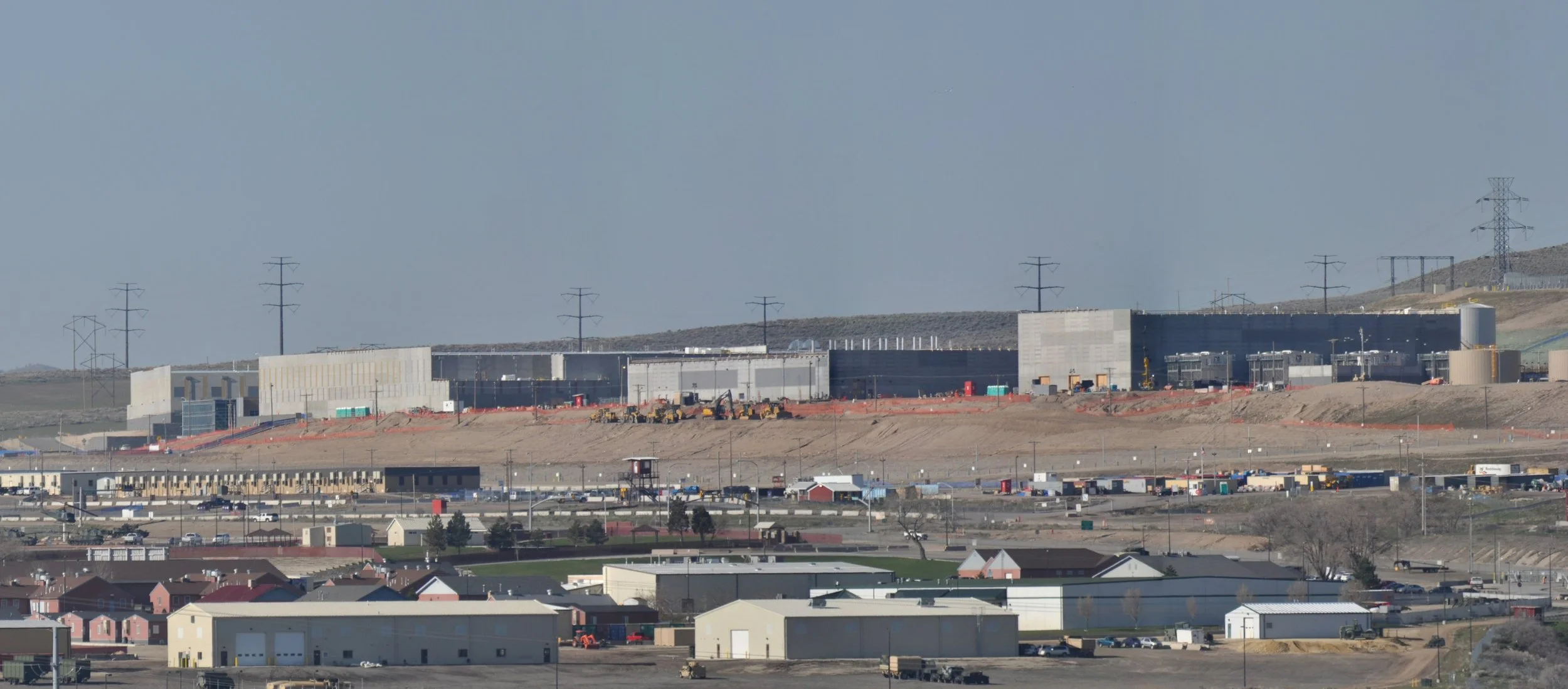
The Utah Data Center located in Bluffdale, Utah
Swilsonmc, CC BY-SA 3.0 <https://creativecommons.org/licenses/by-sa/3.0>, via Wikimedia Commons
"Technology should improve people's lives, not drive up utility bills, strain our energy grid, or undermine our climate goals.”
— New York Senator Kristen Gonzalez
“Until there are reasonable regulations on AI, no more data centers should be built… We need a national moratorium.”
— Robert Reich (former Secretary of Labor under Bill Clinton and co-founder of the Economic Policy Institute)
Overview
What are AI data centers?
Data centers are large facilities that store, process, and move the digital information we use every day. They are the invisible backbone of the internet, cloud computing, streaming, and now AI. In addition to rows of servers, computers, and digital storage and network systems, data centers require a robust cooling infrastructure and backup power.
Why are they getting so much attention right now?
Data centers are not new; they have been essential to the digital economy for years. They’re making headlines now because AI requires far more processing power and capacity than many older digital services, and that’s pushing companies into a race to secure the land, electricity, water, permits, and infrastructure needed to build and operate much larger facilities. In practical terms, that means acres of computer hardware, constant cooling, and a growing footprint on the communities around them.
Why are moratoriums on construction urgently needed?
Data center buildout is about big tech making big bets on AI with unusually high capital expenditures. But it matters to everyone because the AI data center expansion big tech is pushing for now will have far-reaching impacts and consequences — for the communities hosting large data centers and for the planet.
For example, data centers consume massive amounts of water for cooling, yet as we speak many new data centers are being planned for regions already facing increased droughts and water shortages.
Not only thirsty, data centers are hungry too, for power. Today data centers already account for about 3% of U.S. electricity demand, within four years they are projected to account for 1 1–14% of U.S. electricity demand.
Data centers not only mean intense competition for local resources and are likely to further drive up utility costs, they also can also fill green spaces and mar communities with huge utility installations that are not only unsightly but also noisy. And, when data center operations require back up power from fossil-fuel burning generators, that can mean more noise and lots of local air pollution, not just the carbon dioxide that drives global warming but in some cases other air contaminants too, including:
Carbon Monoxide (CO): A toxic, odorless gas that can be fatal in enclosed spaces.
Nitrogen Oxides (NOx): Compounds that contribute to ground-level smog and acid rain.
Carbon Dioxide (CO2): A primary greenhouse gas driving climate change.
Volatile Organic Compounds (VOCs): Organic chemicals that react to form smog and affect air quality.
Methane (CH4): Unburned fuel that escapes directly into the atmosphere as a potent greenhouse gas.
Particulate Matter (PM): Tiny solid or liquid particles, though emitted in much smaller quantities than from diesel engines.
Put another way — through the lens of environmental justice for example — the social costs of this expansion often show up locally, impacting health and quality of life in the communities adjacent to data centers.
However, the impacts of data center expansion will also be global if we don’t demand the proper safeguards. Building data centers now, before we have a fully-funded and operational clean energy electricity grid will mean increases in electricity rates for rate payers far and wide and significant increases in greenhouse gas emissions that intensify and prolong global warming.
In fact, because the news is getting out about local impacts like these, opposition is growing fast. A May 2026 Gallup survey found that 71% of Americans opposed construction of an AI data center in their local area, including 48% who said they were strongly opposed.
How AI Data Centers Are Impacting Local Communities
Higher CO₂ emissions when corporations turn to fossil fuels to satisfy surging electricity demands.
Worse local air pollution from backup generators and power plants, which can affect respiratory and cardiovascular health.
Immense strain on water supplies required for cooling systems, especially in already water-stressed regions.
Higher electricity demand that can raise utility costs and stress the grid.
More noise, traffic, industrial activity and land-use impacts imposed on communities and neighborhoods that in many cases are already suffering from an unfair share of economic and public health burdens.
The CRBA Writers Team pledges to share climate truths you can trust — not noise.
With information grounded in facts, science, reputable media, and cited openly, our work cuts through disinformation to empower our community toward climate action and justice.
AI Data Centers, Energy Consumption, and Impacts on Global Warming
The rapid growth of AI is creating a surge in electricity demand unlike anything the digital economy has experienced before.
According to the International Energy Agency (IEA):
Globally data centre electricity consumption is growing more than four times faster than the rate of total electricity consumption.
AI-focused data centres can draw as much electricity as power-intensive factories such as aluminium smelters.
Data centre electricity consumption is set to more than double by 2030.
Consultants with McKinsey projectthat by 2030 data centers will account for almost 12% of total US power demand, compared to around 6% today — that’s double in just 4 years, and some members of Congress think we will hit this threshold as early as 2028, with the potential for turbo-charging the current surge in electricity rates for ordinary Americans.
But it’s not only the surge in energy demand that’s concerning. It’s whether that electricity will come from clean renewable sources or from fossil fuels.
This power consumption means that not all impacts are local. As operators rush to build massive data centers they’ll be forced to put profits before the planet and rely on fossil fuel-generated electricity.
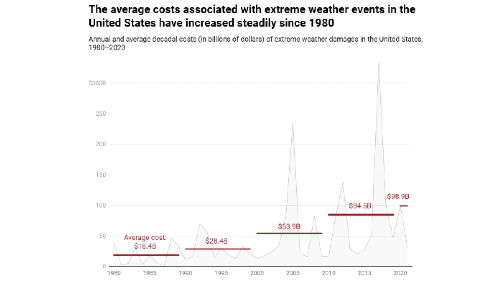
Harms from increased CO₂ emissions that fuel ever-rising temperatures and more frequent, intense, and costlyextreme weather events are harms that will know no boundaries — affecting populations, agricultural production, ecosystems, and wildlife around the world for decades and decades to come.
It’s not only the surge in overall energy demand and electricity rates that’s concerning. It’s whether that electricity will come from clean renewable sources or from fossil fuels.
As operators rush to build massive data centers they’ll be forced to put profits before the planet and rely on fossil fuel-generated electricity that add more climate risks right when time is running out in the race to slow global warming.
The magnitude of AI data center buildout matters too.
When you multiply all these social costs by the SIZE of the investments being made in data center expansions you realize why construction moratoriums are needed now, to ensure a sane and sustainable path forward.
Just HOW BIG is big?
The AI data center expansion is projected to rival investments we’ve made in infrastructure like railroads and the national highway system. In simple terms it means the capital expenditures for data centers will rival the biggest kinds of national investments in U.S. history.
According to an Apollo Global Management analysis, “global data center infrastructure will require several trillion dollars of investment over the next decade.”
Edwin Schmierer, COO and Product Manager at Rotational Labs says most people don’t realize the magnitude of what’s about to happen:
It should not be lost on anyone, in any industry, anywhere, how staggering the amount of investment flowing into data centers is: 2.8% of U.S. GDP, more than railroads (2.4%), electrification (1.1%), the internet (0.8%), or highways (1.6%). 1,000+ data centers are being built or are planned in the U.S. alone over the next five to seven years. Sit with that, and consider the significant business, political, social, and environmental ramifications.
This fact helps explain why everyone from Senator Bernie Sanders, and public interest advocate Erin Brockovitch, to former U.S. Labor Secretary Robert Reich, and groups as diverse as the Center for Biological Diversity, the Brookings Institute, and the Lawrence Berkeley National Laboratory are reporting on and sounding alarms about the impacts of AI data centers.
By some estimates 2.8% of U.S. GDP is flowing into data centers, more than we invested in railroads, electrification, the internet, or highways, with some 1,000 data centers being built or planned in the U.S. alone over the next 5–7 years.
Environmental and public interest advocates understand that building data centers without the right guardrails is a recipe for long-term disaster. Crucial guardrails must include:
Strong public safety permitting and planning frameworks
Rigorous environmental impact reporting before permitting and construction
Meaningful community benefit agreements
Iron-clad clean energy requirements and thoughtful resource and resource-allocation protections
The message is clear: AI infrastructure is expanding at an extraordinary pace and it will usher in decades-long impacts — for energy affordability, environmental justice, natural resource protection, public welfare, and global warming.
Unregulated expansion will mean everyday Americans, ordinary communities, and the planet will suffer— all while big tech, fossil fuel interests, and monopoly utilities make big profits.
Why Data Centers Will Have Big Impacts on Climate Change and Environmental Justice
We’ve shown why the decisions legislators make now will impact all of us in many ways, but what matters most for CRBA is how data center expansion will be powered. Why? Because the way we generate the staggering amount of electricity these data centers will consume — whether with fossil fuels or with clean renewables — this is a critical factor for sustainability, for clean air and public health, and for the race to slow global warming.
The massive proposed 9-gigawatt (GW) Stratos hyperscale AI data center in Box Elder County, Utah, will use as much electricity as roughly 6-to-7 million homes at full build, which is more than double the power consumption of the entire state of Utah.
The risks of powering AI data centers the wrong way.
If we rely on fossil-fuel generated electricity to meet growing electricity demand from expanding data centers, AI data centers won’t just power the AI revolution, they’ll be fueling future decades of global warming and extreme weather.
According to the International Energy Agency, data centers worldwide produce about 180 million tonnes of indirect CO₂ emissions annually from electricity use today. In the IEA’s Base Case, those emissions rise to about 300 million tonnes by 2035; under its higher-growth Lift-Off Case, they reach about 500 million tonnes by 2035.
Just how significant is this in terms of overall CO₂ emissions and in terms of setting back efforts to combat global warming?
180 million metric tons of CO₂ is roughly comparable to the annual greenhouse gas emissions of an entire high-emitting U.S. state. In other words, if AI's growing electricity demand is supplied largely by fossil fuels, the result would not be a marginal increase in emissions — it would represent a significant setback in the effort to slow global warming.
Why Reducing GHG Emissions Is So Urgent
Carbon dioxide doesn’t go away quickly. In fact, it remains in the atmosphere for an extraordinarily long time. About half of the CO₂ people emit today can stay in the climate system for decades to centuries, and a meaningful share can linger for thousands of years.
This means the emissions we release today continue warming the planet long into the future, which is why cutting them now matters so much, and why we need to make sure the electricity needed for AI data centers comes from clean renewables — even if it means regulating the pace of data center permitting and construction.
Will AI data centers really rely on fossil fuel-generated electricity?
The answer, unfortunately, is yes. The companies pushing to break ground on new data centers care more about the speed of infrastructure growth than they do about how they’re powered.
As The New York Times recently reported: “The push for data centers is driving a boom in gas-burning power plants.”
One example cited in the NYT report comes from Texas, where a developer building a Meta data center near El Paso applied to construct a natural gas-fired power plant capable of supplying electricity to roughly 300,000 homes. State regulators approved the proposal in just 20 days, dramatically accelerating a process that often requires months of environmental review and public input
It’s this kind of unregulated, unchecked, and environmentally irresponsible data center buildout that needs to be halted immediately.
If communities begin approving large AI data centers before adequate renewable generation and grid capacity are in place, developers may increasingly turn to fossil fuel generation as the quickest solution — locking in decades of additional emissions at precisely the moment scientists are sounding more and more alarms about the acceleration of global warming and its impacts.
Data center construction should never outpace efforts to decarbonize and upgrade our electrical grids.
“Our energy system is at a unique inflection point. With roughly half of the grid needing replacement and demand expected to grow dramatically, the U.S. faces both a challenge and an opportunity to meet America’s energy needs for the next century. The decisions made now will determine whether America can sustain the growth of critical infrastructure like data centers while keeping electricity reliable and affordable.”
— Rep. Kevin Mullin et al., letter to the Federal Energy Regulatory Commission, Edison Electric Institute, and Data Center Coalition, October 28, 2025,
One key reason why we’re at risk of powering AI data centers the wrong way is because of the big tech companies themselves and their profit-driven race to finance and build data centers ahead of efforts to fully decarbonize and expand our electricity generation and transmission infrastructure.
This irresponsible build-now and worry-about-the-consequences-later approach means big tech companies are more than happy to further abandon climate commitments and rely on fossil fuel-powered electricity plants that will increase long-lasting concentrations of CO₂ in the atmosphere and exacerbate the rise in global temperatures.
In addition to CO₂ emissions and global warming, the sheer power demands of AI data centers are poised to overload U.S. electrical grids.
As recent IEA reporting emphasizes, electricity demand in developed economies — like the U.S. — has been relatively fixed for many years. But now that’s changing quickly as we transition from a fossil fuel economy to a more sustainable and affordable clean and renewable energy economy.
However, aligning the pace of data center construction with electrical grid improvements requires advance public planning and preparation.
Our current frameworks for expanding electrical grid capacity, safety, and resilience are not on par with the current data center demands.
Moratoriums on data center construction will ensure a more balanced and responsible approach.
Without thoughtful planning, the race to build AI infrastructure will mean baking in new investments in fossil fuel extraction and consumption and overloading an electrical grid that we are still in the early innings of renovating and expanding.

Power outages will drive in even more CO₂ emissions.
Some utility companies are already anticipating the need to restrict electricity flows to data centers due to expected electricity shortages. This increases the likelihood that data centers will rely on onsite generators powered by diesel or natural gas for backup electricity, causing increased air pollution for surrounding communities and increased greenhouse gas emissions.
A large battery of gasoline-powered generators powering a data center.
Photo credit: Lapalmauz, CC BY-SA 4.0, Wikimedia.
“This week, Vantage Data Centers came under fire for its apparent coordination with Virginia environmental regulators to cast doubt on a report that said diesel backup generators could contribute to tens of millions of dollars in annual health damages for people living near a 96 megawatt data center in Northern Virginia.”
— “Data centers may face temporary power cuts to prevent blackouts on largest US grid,” TechCrunch
2024 was already the hottest year on record.
If you’re thinking we’ve still got more time to rein in GHG emission, think again. We now know that concentrations of CO₂ in the atmosphere are already 50% greater than in the pre-industrial era, have reached a new high as recently as 2024, and that 2024 just broke new records in terms of scorching global temperatures.
All of this is happening just as we’re witnessing more and more harms from global warming and extreme weather events — floods, droughts, wildfires, mass migrations, punishing heatwaves, and sea level rise.
Fossil fuel-powered AI data centers would mean a colossal step backwards for public health and environmental justice.
In addition to increased greenhouse gas emissions, another downside of feeding this kind of energy demand with fossil fuel-generated electricity will be increased air pollution.
In our blog posts on Carbon Capture, for example, we noted that even if carbon capture technologies were used to mitigate CO₂ releases, carbon capture and storage technologies are likely to come at a large expense to taxpayers and pose significant environmental, health, and safety risks.
And, even if carbon capture and storage technologies might reduce some carbon dioxide emissions, they don’t protect local residents from other airborne contaminants that result from burning fossil fuels.
According to reporters at Fortune, “data centers are [already] dealing hidden damage to environmental and public health — costing the economy $25 billion every year.”
And, if growing AI electricity demand encourages greater dependence on fossil fuels, this would not only reverse efforts to reduce CO₂ emissions, it would be a major setback for public health and environmental justice as well, something experts want us to know before it’s too late:
“When large data centers use fossil fuel turbines for power in populated areas, even modest increases in air pollution can have real health consequences,” said Dr. Michael Cork, founder of EmPower Analytics Group and a Harvard-affiliated health scientist. “Our analysis shows that emissions allowed under this facility’s permit could lead to up to $99 million a year in health-related damages.”
Moratoriums Can Help Us Ensure Accountability and Fight for Carbon Neutrality
Taken together, these trends all point in the wrong direction:
More electricity demand increases pressure to keep fossil fuel power plants operating or build new ones.
More fossil fuel generation means higher greenhouse gas emissions at a time when emissions need to fall rapidly.
Greater dependence on diesel and natural gas backup generators increases local air pollution, greenhouse gas emissions, and public health risks.
Continued investment in fossil fuel infrastructure may encourage additional spending on technologies such as carbon capture when we need to be financing the the transition to clean renewable energy.
For CRBA, these are not separate issues: unchecked and weakly regulated AI data center construction will put the race for profits by handful of tech titans before the race to prevent a climate catastrophe.
Why Powering AI Data Centers with Fossil Fuel-Generated Electricity Is Such a Bad Idea
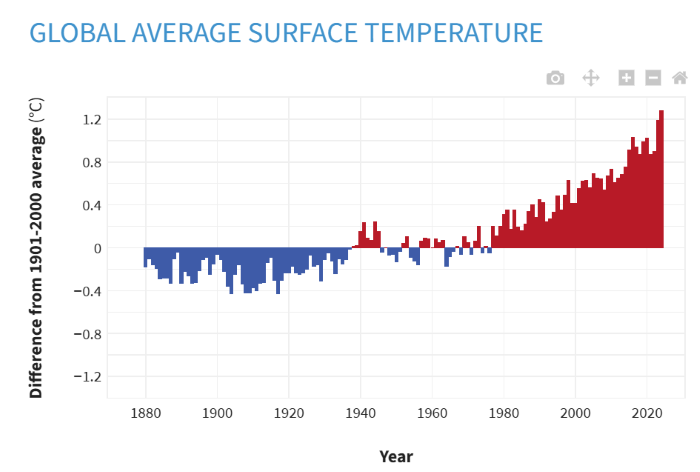
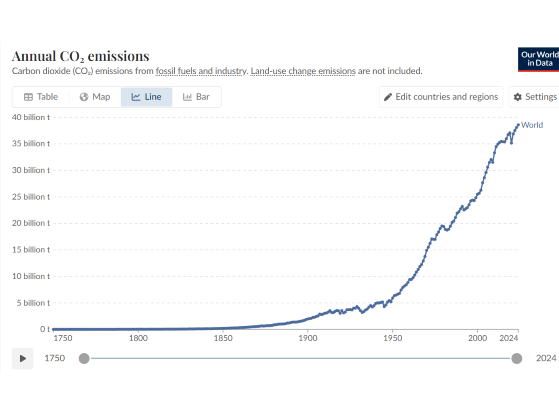
The Rising Social Costs We’re Paying as a Result of Global Warming & Extreme Weather Events
vs.
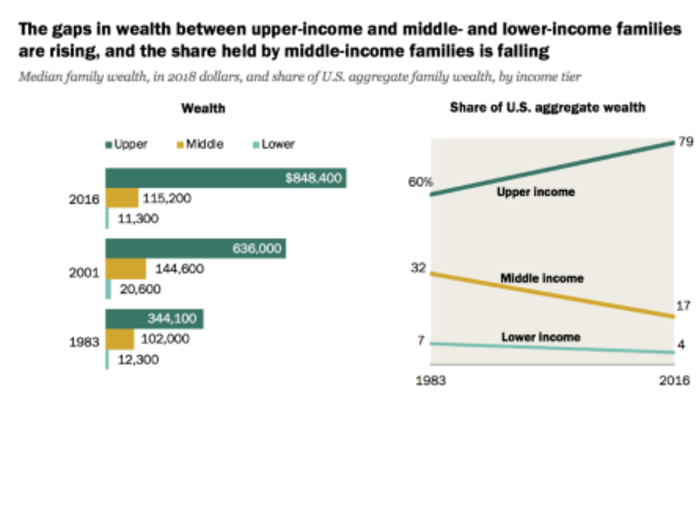
The Shrinking Share of Economic Benefits Going Back Into Local Communities
Is There a Better Way Forward?
Clearly, an accelerated data center buildout of the magnitude envisioned would usher in decades of environmental and public health impacts we can’t afford.
Public opinion suggests many Americans share these concerns.
According to a recent Reuters/Ipsos poll, only about one in three Americans approve of the current pace of data center construction, and most say they would oppose building one in their own community.
Fortunately, a better way forward is possible.
Communities across the country are beginning to call for moratoriums, to ensure that AI infrastructure does not happen at the expense of local residents or at the expense of the planet and future generations.
Without a moratorium now, data centers will be built and it will be too late to have any say in the outcomes. That’s not acceptable. The right approach will be one that:
Ensures that households are not forced to subsidize the electricity demands of rapidly expanding AI infrastructure through higher utility bills.
Prioritizes new renewable energy generation rather than expanded reliance on fossil fuel power plants.
Strengthens environmental review, public participation, and community benefit agreements before major projects are approved.
Finances the transmission and grid infrastructure needed to support new electricity demand without increasing greenhouse gas emissions.
Protects communities from unnecessary air pollution and other environmental impacts associated with large-scale data center development.
And, there’s only one way to make such a path imaginable, let alone possible — it’s demanding immediate moratoriums on all new permitting and construction, something that’s possible, because New York and Seattle have done it and similar efforts are underway at every level, from national legislation down to state bills and city council referendums.
A National Call To Action: Slowing Data Center Construction To Get the Job Done Right
Across the country, there’s a growing backlash against the rush to build data centers being driven by broad public indignation.
And, while the moratoriums already passed are a promising signal, urgent resistance is needed now more than ever.
“More than 100 local communities around the country have enacted moratoriums on data centers and 12 states are pushing forward with statewide moratorium proposals.”
— Senator Bernie Sanders
In the face of current moratoriums, the big data center operators and tech companies are likely to shrug their shoulders and simply look to build elsewhere and exploit the most economically and socially vulnerable communities — which they’re doing — making it even more important to support this legislation in other states and to build a movement now for a national moratorium.
Sound too good to be true? Well Senator Sanders (Vermont) and U.S. Representative Ocasio-Cortez (NY) are sponsoring legislation for exactly this kind of sweeping response.
The Federal AI Data Center Moratorium Act: Where it stands
Sen. Bernie Sanders and Rep. Alexandria Ocasio-Cortez have introduced the Artificial Intelligence Data Center Moratorium Act of 2026, which would pause construction of new AI data centers and expansions of existing facilities until Congress establishes national safeguards addressing AI’s economic, environmental, public-health, and safety impacts. So far, the legislation has not advanced beyond introduction.
Ocasio-Cortez introduced the House companion in June with several Democratic cosponsors, but it likewise has not passed either chamber. For now, the measure reflects a national policy proposal and organizing effort — but is yet to be formally passed or enacted.
Whether communities ultimately adopt moratoriums, stronger permitting standards, or other policy tools, the underlying objectives don’t change:
AI infrastructure must expand in ways that support grid decarbonization and efficiency.
Residents need to be shielded from electricity rate increases.
Local residents who will be affected by data centers deserve a seat at the table — to promote environmental justice through robust democratic process and robust community benefit agreements.
Already under-resourced communities must not wind up bearing the social costs imposed by data center expansions while corporations walk away with all the profits.
Slowing down long enough to make informed and democratic decisions is not anti-technology. It’s about ensuring technology innovation aligns with Americans’ most urgent social and environmental priorities.
What Do We Do Now?
Artificial intelligence will undoubtedly shape the future. But what kind of future will it be, and whose future?
The decisions being made today about electricity generation, utility planning, permitting, and public investment will shape the livelihood, health, and community life of whole communities for decades and it could bring us even closer to passing critical climate thresholds, with dire consequences for the environment and for our children, their children, and beyond. That is why this issue deserves the attention of everyone concerned about climate change.
So taking action is not an option; it’s urgent. Stay tuned.
In our second post in this three-part series, we look at this issue with a local lens, examining what the rapid growth of AI data centers could mean for communities across the greater San Francisco Bay and Delta region.
We’ll see which communities are facing data center construction projects and share ways local climate advocates, local residents, and community leaders are fighting back, and which local legislators are doing their part, or not.
Our third and final post in this series, “Saying NO to Unregulated AI Data Center Expansions…” focuses on how to take action. You’ll learn more about SF Bay Area groups and alliances that are resisting AI data center expansions, campaigning for moratoriums, and building coalitions for greater impact.
About the author:
Keith Nickolaus, PhD is a grant professional, digital content writer, and former K-12 educator based in Berkeley. He has been a CRBA member since 2024 and a member of the Climate Reality Project Leadership Corps since 2026.
Resources
International Energy Agency (IEA) — Energy and AI: An analysis of rapidly growing data center electricity demand, energy infrastructure needs, and potential emissions impacts from AI expansion. IEA — Energy and AI.
Lawrence Berkeley National Laboratory — 2024 United States Data Center Energy Usage Report: Major U.S. data center energy study projecting that data centers could consume approximately 6.7% to 12% of U.S. electricity by 2028. Read the LBNL report.
WattTime — The Emissions Risks of AI Data Center Buildout. Examines the potential greenhouse gas consequences of meeting rapidly growing U.S. data center electricity demand with natural gas generation. Read the WattTime analysis.
Center for Biological Diversity — Data Crunch. Examines the climate implications of the U.S. data center boom, including scenarios for substantial increases in greenhouse gas emissions through 2035. Read the Data Crunch report.
Environmental and Energy Study Institute (EESI) — Data Center Buildout Is Hungry for Fossil Fuels. Looks specifically at the relationship between rising data center electricity demand and continued or expanded reliance on coal and natural gas generation. (Environmental and Energy Study Institute). Read the EESI article.
U.S. Environmental Protection Agency — Sources of Greenhouse Gas Emissions. Useful background data for understanding U.S. greenhouse gas emissions by economic sector and putting projected data center emissions into context. EPA greenhouse gas emissions overview.
U.S. Energy Information Administration (EIA). Federal source for U.S. electricity generation, energy consumption, carbon dioxide emissions, and fossil fuel data. U.S. Energy Information Administration.
International Energy Agency — Data Centres and Data Transmission Networks. Background analysis of data center and network energy use and their contribution to energy-related greenhouse gas emissions. Data Centres and Data Transmission Networks.
Erin Brockovich — Data Center Community Resources. Advocacy-focused resource addressing data center development and potential impacts on communities. Brockovich Data Center Resources.
Brookings Institution — Data Center Moratoriums Are Not a Substitute for Oversight. A useful policy counterpoint examining moratoriums, transparency, community benefit agreements, ratepayer protections, and longer-term data center oversight. Read the Brookings analysis.
Fortune — Data Centers Are Dealing Hidden Damage to Environmental and Public Health. Reports on recent research estimating the health and environmental costs associated with electricity generation serving U.S. data centers, including impacts from greenhouse gases and air pollution. Read the Fortune article.