The Montezuma Carbon Capture Project: Its Risks and Costs, Why It Won’t Fix Climate Change, and How You Can Help Stop It!
This post examines the proposed Montezuma Carbon Capture and Sequestration Hub targeting southern Solano County and the scope of its potential impacts on the environment and public health and safety.
Despite what we now know about the limits of industrial carbon capture — see our companion post: The Limits of Carbon Capture in the Race Against Global Warming — California is still relying on industrial carbon capture for its climate goals.
Keep reading to learn more about the project’s likely environmental impacts, the considerable health and safety concerns, the growing opposition, and why the time to get involved is now.
By Keith Nickolaus, PhD, CRBA Writers Team
“Despite decades of development and billions of dollars of investment, CCS has consistently proven to be unsafe, ineffective, economically unsound, and unnecessary… The first carbon-injection well the EPA ever permitted in the United States was recently found leaking CO2 underground, and the company behind was issued a notice for violating its permit.”
— CACTI (Communities Against Carbon Transport and Injection)
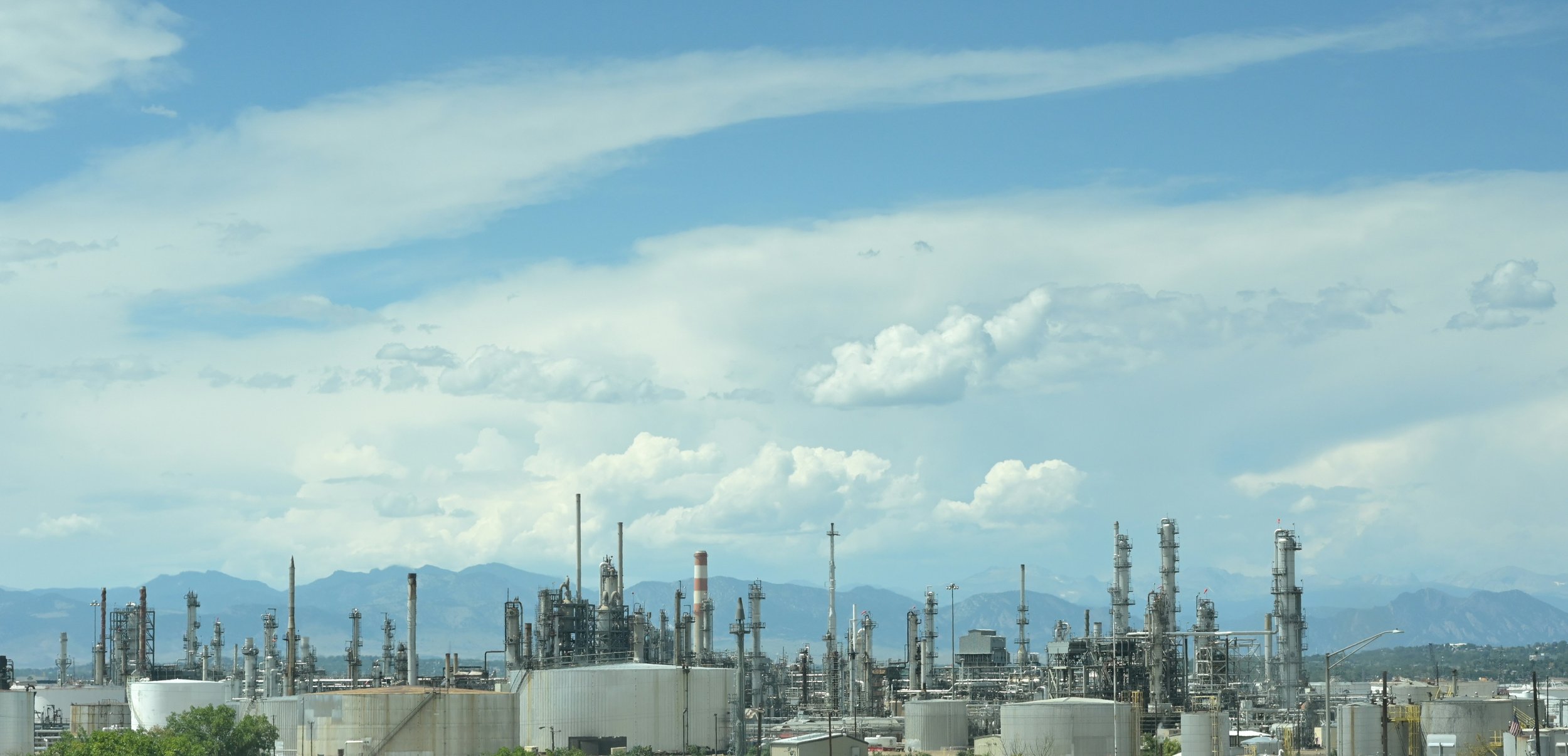
California Oil Refinery (photo credit: Nathan Anderson, Unsplash)
Overview
In our companion post, The Limits of Carbon Capture in the Race Against Global Warming, we saw that calls for large-scale carbon capture deployment are coming not only from fossil fuel companies and policymakers, but also from some international climate experts, including the IPCC. However, IPCC assessments largely draw upon climate models developed by other researchers and nations, while also emphasizing the significant implementation challenges, uncertainties, and social costs associated with industrial carbon capture.
Meanwhile, powerful business interests — many of them tied to the fossil fuel industry — are promoting a far simpler narrative in an effort to build public support and secure billions of dollars in public investment for carbon capture projects.
Finally, we examined recent investigative reporting suggesting that some of the scientific research underlying today's carbon capture narrative —including research that has influenced prominent climate models and high-level carbon reduction assessments — can be traced to shady research initiatives that were funded by Big Oil and directly influenced by industry insiders.
Given these concerns, it is not surprising that many environmental advocates and climate scientists are pushing back strongly against large-scale industrial carbon capture deployment.
And now, more and more, these debates are going to have real consequences for California communities:
State policymakers continue to rely on industrial carbon capture as part of California's strategy for achieving net-zero greenhouse gas emissions by 2045
Carbon capture interests are seeking approval for a dozen or more carbon capture projects across the state — most in the Central Valley
One project is proposed for own San Francisco Bay–Delta region and currently under EPA review — it will involve pipelines and underground storage near earthquake faults, impact sensitive wetlands, and create new public health and safety concerns
In this post we’ll talk more about what the Montezuma project will mean for our region, including serious safety, and environmental risks, why it’s a misguided and expensive climate solution, and how we can work with the grassroots organizing coalition CACTI to stop the project it before it’s too late.
The CRBA Writers Team pledges to share climate truths you can trust — not noise.
With information grounded in facts, science, reputable media, and cited openly, our work cuts through disinformation to empower our community toward climate action and justice.
Industrial Pipelines, Prolonged Fossil Fuel Reliance, Underground Carbon Vaults, and More: What a Pending Carbon Capture Project Will Mean for Solano County
In a region already affected by refineries and power plants — and bordering wetlands that Californians have invested millions of dollars to restore — a private developer, Montezuma Carbon, LLC, is currently seeking EPA approval for what it calls the Montezuma NorCal Carbon Sequestration Hub.
According to the EPA filing, the project objectives include:
Collection and sequestration of million tons per year of CO2 from multiple power plants and industrial sources estimated to emit over 17 million tons of CO2 per year that are located within 45 miles of the site.
Transport that CO2 by barge and/or mainly underwater pipeline to Montezuma’s existing offloading dock on the Sacramento River and then by on-site pipeline to the proposed injection location approximately 1 mile north of the dock.
Pressurize the CO2 at a compressor station in the injection area and inject supercritical CO2 using three or more separate injection wells into distinct saline aquifers 8,000 to 14,000 feet below ground surface (bgs).
The project is estimated to cost approximately $2 billion, operate for more than 50 years, and introduce significant new industrial infrastructure into the Bay-Delta region.
Critics argue it would also create substantial public health, safety, and environmental concerns, including potential impacts to the Suisun Marsh and surrounding wetlands through:
Construction of a regional network of carbon capture facilities at refineries and power plants across southern Solano County.
Installation of more than 40 miles of carbon dioxide pipelines.
Above-ground transportation of compressed carbon dioxide by barge.
Development of an underground storage system capable of holding as much as 250 million metric tons of carbon dioxideover time, in a region adjacent to multiple earthquake faults.
The Montezuma project would impose high social costs while doing little for the climate
A storage capacity of 250 million metric tons is enormous in terms of the long-term industrial infrastructure and stewardship responsibilities it would place on the region.
Yet its contribution to addressing climate change would be comparatively small.
The world currently emits roughly 40 billion metric tons of carbon dioxide every year. In other words, even if the storage formation were eventually filled to capacity, it would hold less than 1% of one year's global CO2 emissions—roughly two to three days' worth of today's worldwide emissions.
That comparison highlights one of the central flaws of carbon capture and storage. Not only is there an enormous scale challenge facing carbon capture, it also burdens target communities with the long-term responsibility and risks associated with storing vast quantities of compressed carbon dioxide beneath nearby landscapes for generations to come.
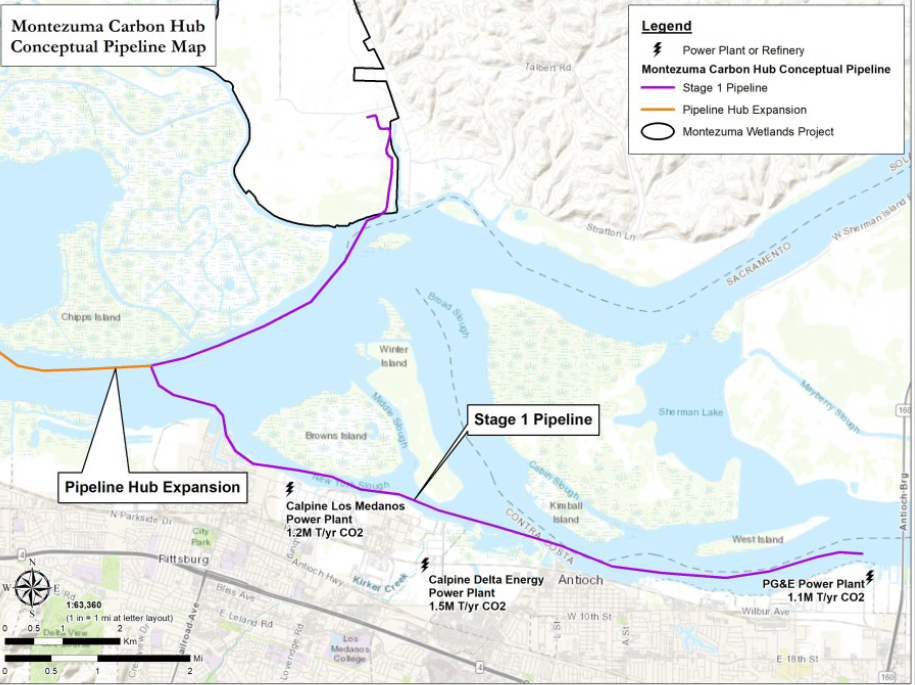
Figure A-2 illustrates a conceptual illustration of an underwater pipeline route to collect CO2 from the North Bay industrial corridor, where refineries, hydrogen plants, and power plants emit upwards of 17 million tons of CO2 annually. [Source: EPA Filing]
Despite its many limitations as a climate solution, the proposed Montezuma carbon capture and underground storage project would impose not only enormous financial costs, but also many of the same social and environmental costs associated with the fossil fuel industry itself, including:
Creating new environmental and public safety risks
Disturbing a recently restored tidal wetland ecosystem that Californians spent millions of dollars to restore
Prolonging reliance on fossil-fuel-powered refineries, power plants, and other industrial facilities that California should be working to phase out as quickly as possible
In addition, says Bonnie Hamilton, a physician and policy advocate with Climate Reality Bay Area, "carbon removal does little to improve local air quality." Why? Because carbon capture can be used to justify extending the operation of aging refineries and other industrial facilities, "but CCS won't address many of the harmful and toxic air pollutants these facilities emit alongside carbon dioxide."
Carbon capture can be used to justify extending the operation of aging refineries and other industrial facilities, but even when CCS is used to capture CO2, other pollutants and toxins continue to be released — often correlating with health impacts, including childhood asthma and increased rates of cancer.
Carbon dioxide pipelines create significant safety risks
Many people assume a carbon dioxide pipeline is similar to a natural gas pipeline.
The risks are different.
Carbon dioxide is not flammable, but a large release can still be dangerous — and potentially life-threatening.
Because CO2 is heavier than air, a significant leak or pipeline rupture can cause the gas to collect in low-lying areas, where it can displace oxygen and create serious health hazards, including asphyxiation, seizures, loss of consciousness, and, in extreme cases, death.
A dense CO2 cloud can also hinder emergency response by preventing both trained and untrained responders from safely reaching people in danger.
These kinds of dangers are not mere speculation. For example, a CO2 pipeline rupture in 2020 near Satartia, Mississippi caused by heavy rains and a landslide resulted in a major release of compressed carbon dioxide that resulted in emergency evacuations, medical emergencies, and transportation disruptions.
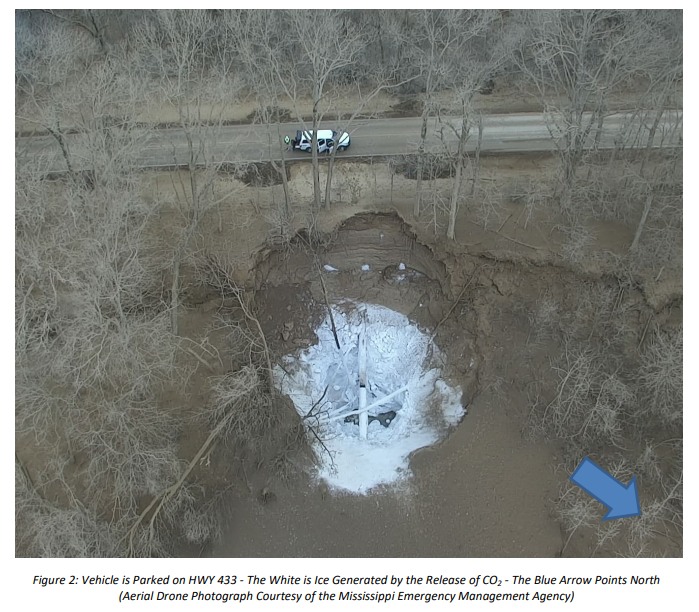
From the US Dept. of Transportation CO2 Pipeline Incident Report, Satartia, Mississippi
Individuals exposed to higher concentrations may experience rapid breathing, confusion, increased cardiac output, elevated blood pressure, and increased arrhythmias. Extreme CO2 concentrations can lead to death by asphyxiation
Pipeline operators are required to establish atmospheric models to prepare for emergencies—Denbury’s model did not contemplate a release that could affect the Village of Satartia
200 residents surrounding the rupture location were evacuated, and forty-five people were taken to the hospital
Incident demonstrated integrity threats related to changing climate, geohazards, and soil stability issues
In Solano County, these risks are compounded by the region's seismic reality, raising legitimate questions about the long-term resilience of pipelines designed to transport highly pressurized carbon dioxide.
Long-term storage plans raise long-term questions
The Montezuma proposal would inject carbon dioxide thousands of feet underground into deep saline geologic formations.
While these types of formations are generally consistent with regulatory guidelines for long-term carbon storage, relatively little is known about the long-term monitoring, maintenance, cleanup, and safety of installations operating over many decades.
In addition, the current EPA filing for the Montezuma Project has no detailed long-term monitoring plan:
MC will monitor groundwater quality and track the position of the carbon dioxide plume and pressure front for at least the 50-year default timeframe. [But] additional long-term monitoring opportunities will be explored by LBNL at a later date.
Opponents of the project argue that significant questions remain about long-term risks, oversight, and accountability, including:
Risks of pipeline ruptures or underground storage leaks resulting from seismic activity or other causes
The need for ongoing maintenance, monitoring, and oversight
Long-term safeguards to protect groundwater
The reliability of underground containment over time
Adequate emergency preparedness and response capacity
Long-term accountability if problems emerge decades after the project begins operation
And… What happens fifty years from now?
Most likely local residents will be stuck with the on-going hazards of a major storage leak or failure and with the costs of maintaining degraded pipelines and equipment…
Today, for example, we’re seeing big oil companies brimming with decades of profits enhanced by public subsidies yet having no accountability for the consequences of global warming or for misleading the public about what scientists knew decades ago about the dangers of fossil fuel consumption and the impact on climate.
Should we expect anything different with a new generation of fossil fuel transport and storage infrastructure when the big oil companies are the same names investing in carbon capture today?
Recent headlines suggest we should expect business as usual.
When it comes to big oil’s business interests and political influence peddling, greed and efforts to prolong fossil fuel reliance are almost certain to trump concerns about global warming:
The megalaw that President Donald Trump signed last month includes a raft of provisions to pump up the fossil fuel industry…
Trump’s One Big Beautiful Bill Act also includes a $1 billion fund to subsidize oil, gas and coal developments — a generous provision that surprised even some of the GOP lawmakers who voted for it.
The expanded carbon capture subsidy was one of the only provisions intended to limit climate change that survived in the Trump-led rewrite of the tax code. But the megalaw has shifted the focus of the subsidy from reducing carbon emissions toward encouraging additional production of oil, raising questions about whether the changes could fuel further warming.
The fossil fuel industry is investing big in carbon capture projects across California and is heavily subsidized by both federal and state incentive programs. The Institute for Energy Economics and Financial Analysis estimates that federal tax breaks for CCS development could amount to $6 billion per project proposed across the US over the next 12 years. These are resources that could be going to support frontline communities in leading an equitable transition away from fossil fuels.
— CACTI (Coalition Against Carbon Transport and Injection)
Broader Risks and Social Costs
Beyond technical questions and the possibility of catastrophic failures, many residents are concerned about the project's broader environmental and social impacts.
The proposed storage area sits near the Montezuma Wetlands and the greater Suisun Marsh ecosystem — one of California's most important remaining wetland environments.
Environmental advocates point to concerns including:
Impacts on wetlands and wildlife habitat
Industrialization of open space and scenic landscapes
Risks associated with carbon dioxide pipeline corridors
Potential effects on water resources
Public health and emergency preparedness
Environmental justice concerns
The possibility of prolonging reliance on fossil-fuel infrastructure rather than accelerating the transition to cleaner energy
What future do we want for Solano County and the Suisun water ways and wetlands?
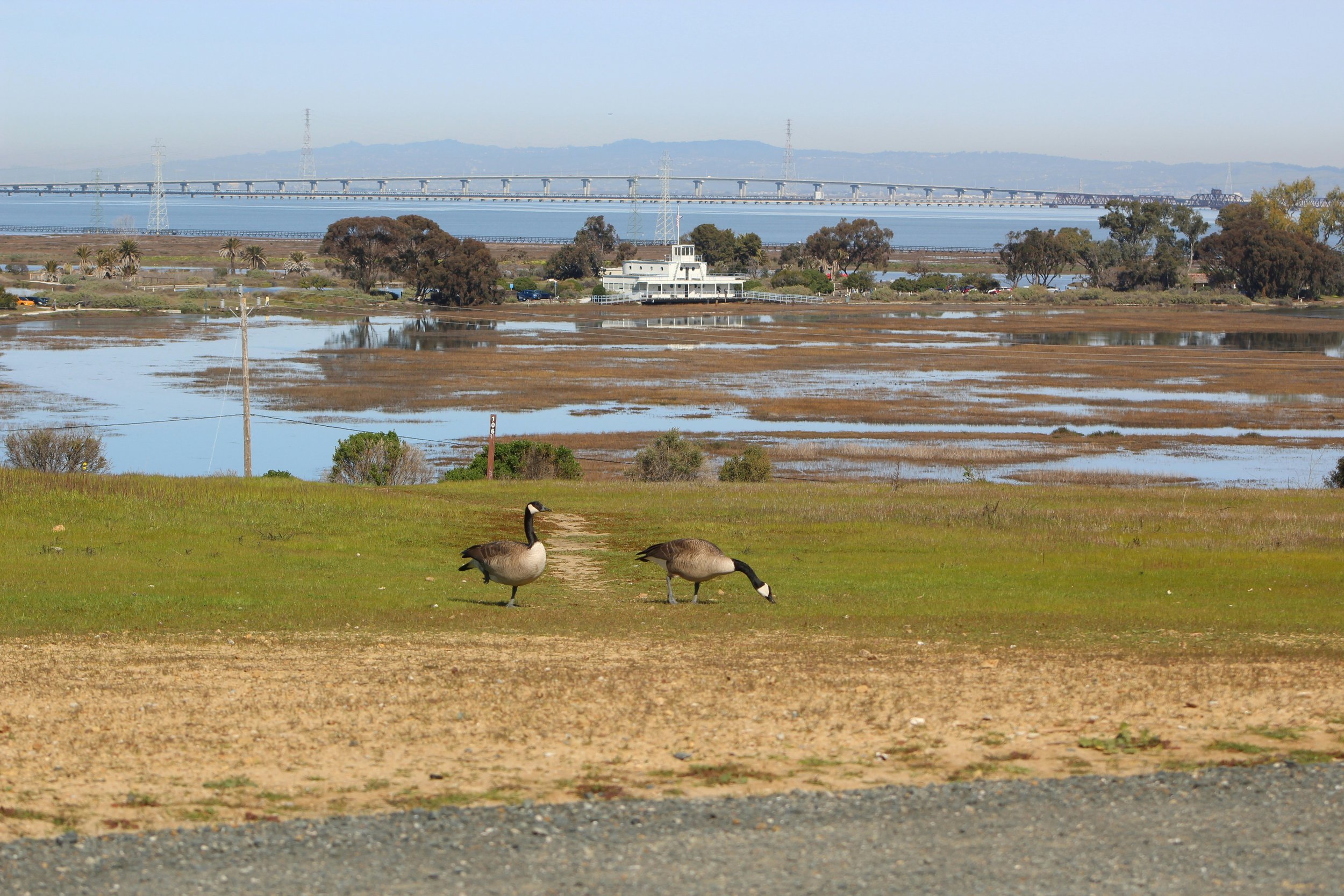
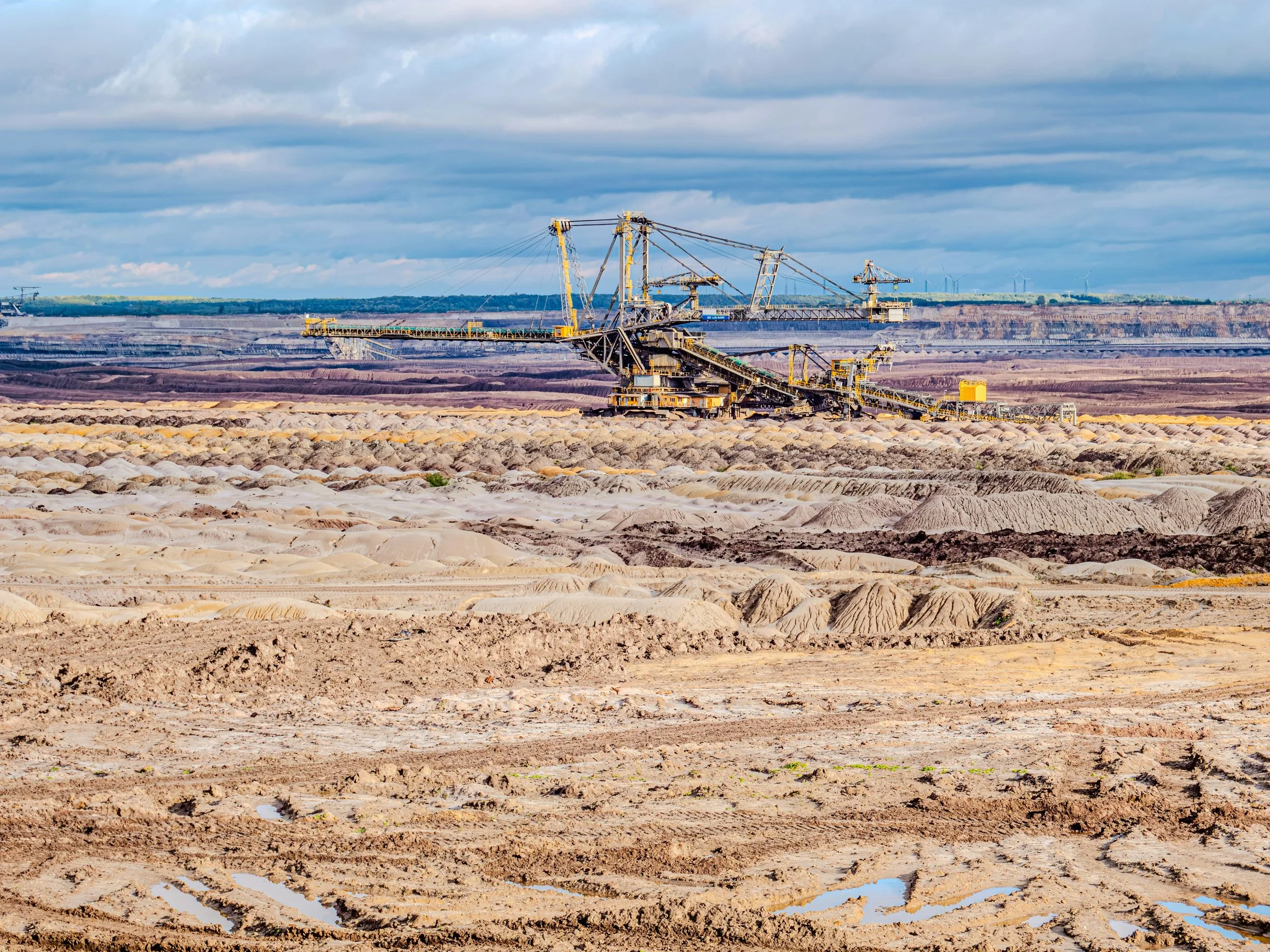
Suisun Wetlands (source: Blair Morris, Unsplash) and Fossil Fuel Excavation Landscape (source: Sebastian Schuster, Unsplash)
For many opponents, the central question is simple: Why should local communities be asked to accept these risks when cleaner, less infrastructure-intensive climate solutions already exist?
As Isabel Penman an organizer with the environmental non-profit Food & Water Watch told me, "carbon capture and storage is the fossil fuel industry's latest scheme; it's only intended to prolong Big Oil extraction."
Why This Fight Matters
The debate over the Montezuma Carbon Capture Project is about far more than one permit application.
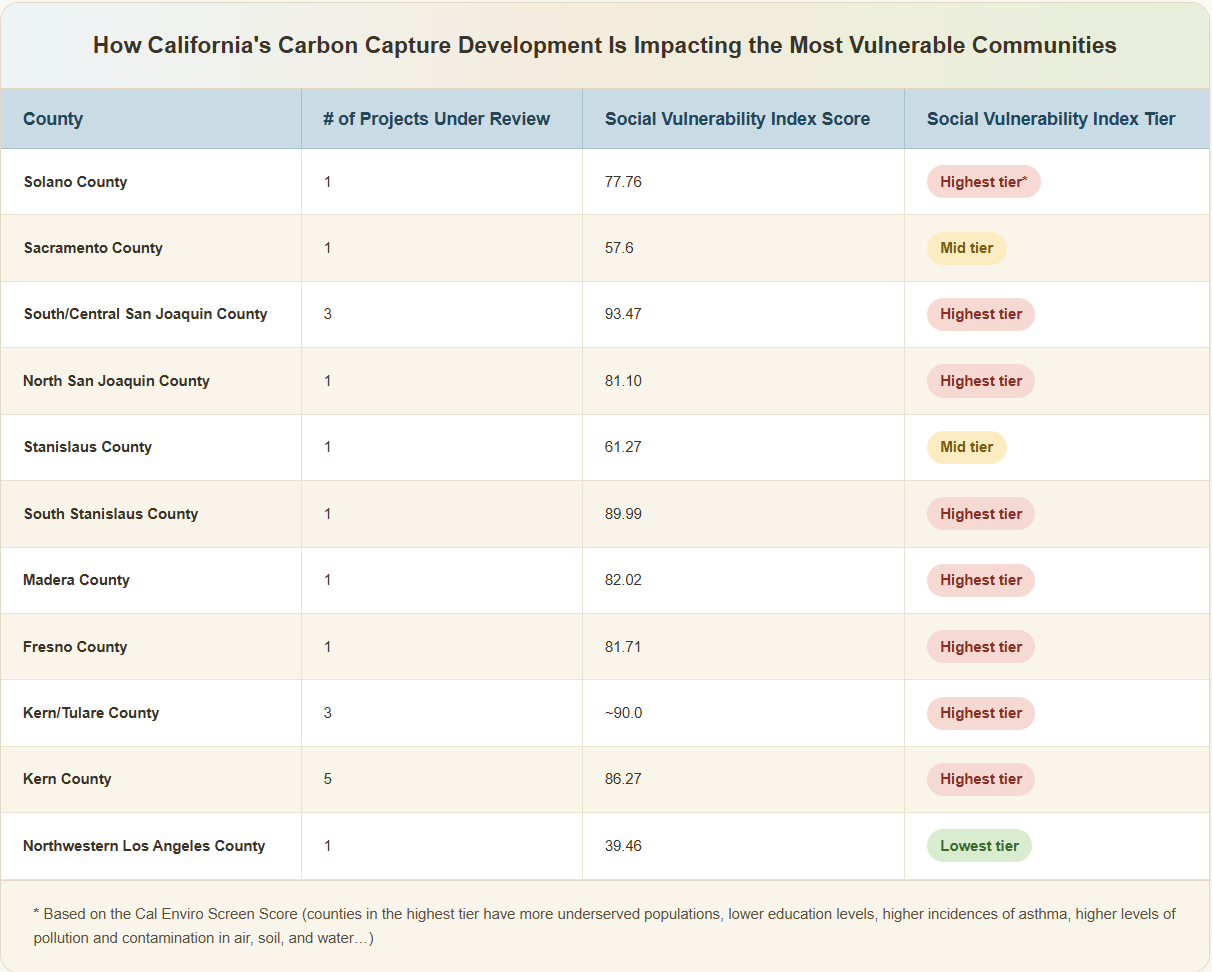
Business entities are seeking permits for a slew of similar carbon capture projects across California, primarily in the central valley, with some of our state’s most vulnerable communities in the crosshairs.
California’s citizens, legislators, and regulators should be putting the brakes on these projects, leading with policies and investments that will make a real difference in combatting climate change while continuing to honor our commitments to environmental justice.
Where Does the Montezuma Project Stand Today?
The Montezuma project is still under EPA review. That means public participation still matters, and many environmental organizations believe the time to act is now.
The current review stage represents the most important opportunity for residents to stop the project before major permitting approvals, financing procurements, and infrastructure commitments make the Montezuma project more difficult to stop.
The opposition is growing and it’s organized
The Montezuma proposal has already generated significant opposition from environmental, conservation, climate, public health, and community organizations.
CACTI (The Coalition Against Carbon Transport and Injection) is leading and coordinating the opposition.
Campaign materials indicate that more than 85 organizations have joined efforts opposing or raising concerns about the Montezuma CCS permit application.
Organizations involved include:
350 Contra Costa Action
Communities Against Carbon Transport & Injection (CACTI)
Food & Water Watch
Center for Biological Diversity
350 Bay Area
San Francisco Baykeeper
San Francisco Bay Physicians for Social Responsibility
Biofuelwatch
Climate Reality Project Bay Area Chapter
Oil and Gas Action Network
The coalition's core message is that the project represents a risky industrial infrastructure expansion that may prolong fossil fuel dependence while exposing local communities and ecosystems to unnecessary risks.
You can see CACTI’s letter to the EPA opposing the project, with its 87 signatories, here.
How To Support Local Advocacy Efforts
The CACTI Coalition and its many supporters, including the Climate Reality Bay Area Chapter (CRBA) are leading the battle to stop the Montezuma Carbon Transport and Storage project.
According to CRBA State and Local Policy Chair Bonnie Hamilton, one of the best ways to support action against the Montezuma carbon capture project is if you are a Solano County resident.
Solano County residents will have the most impact influencing Solano County supervisors — both by reaching out individually and by working with organized efforts, with the CACTI Coalition for example.
Another way to take action is to lobby your own City Council to ratify a ban on carbon capture development.
This kind of resolution has already passed in the city of Richmond, so success is possible and as more cities join this effort it will signal a strong wave of public opposition to those contemplating new carbon capture developments.
A more exhaustive list of actions includes:
attending educational webinars
participating in public comment campaigns
contacting elected officials
supporting coalition partners
attending hearings and public meetings
distributing educational materials
helping organize community outreach efforts
signing petitions and action alerts
As the project moves through regulatory review, Climate Reality Bay Area Chapter and the Cacti Coalition will continue to provide opportunities for residents to learn more and become involved.
To learn more about carbon capture — who’s boosting it and why other solutions are more effective — check out our companion post:
The Limits of Carbon Capture in the Race Against Global Warming
About the Author
Keith Nickolaus, PhD has been a CRBA member since 2024 and a member of the Climate Reality Project Leadership Corps since 2026. Keith is a grant professional, digital content writer, and former K-12 educator based in Berkeley.