HEAR FROM OUR COMMUNITY
CHAPTER
BLOG
When Climate Change Denialism Drives Federal Policy — A Recipe for Disasters
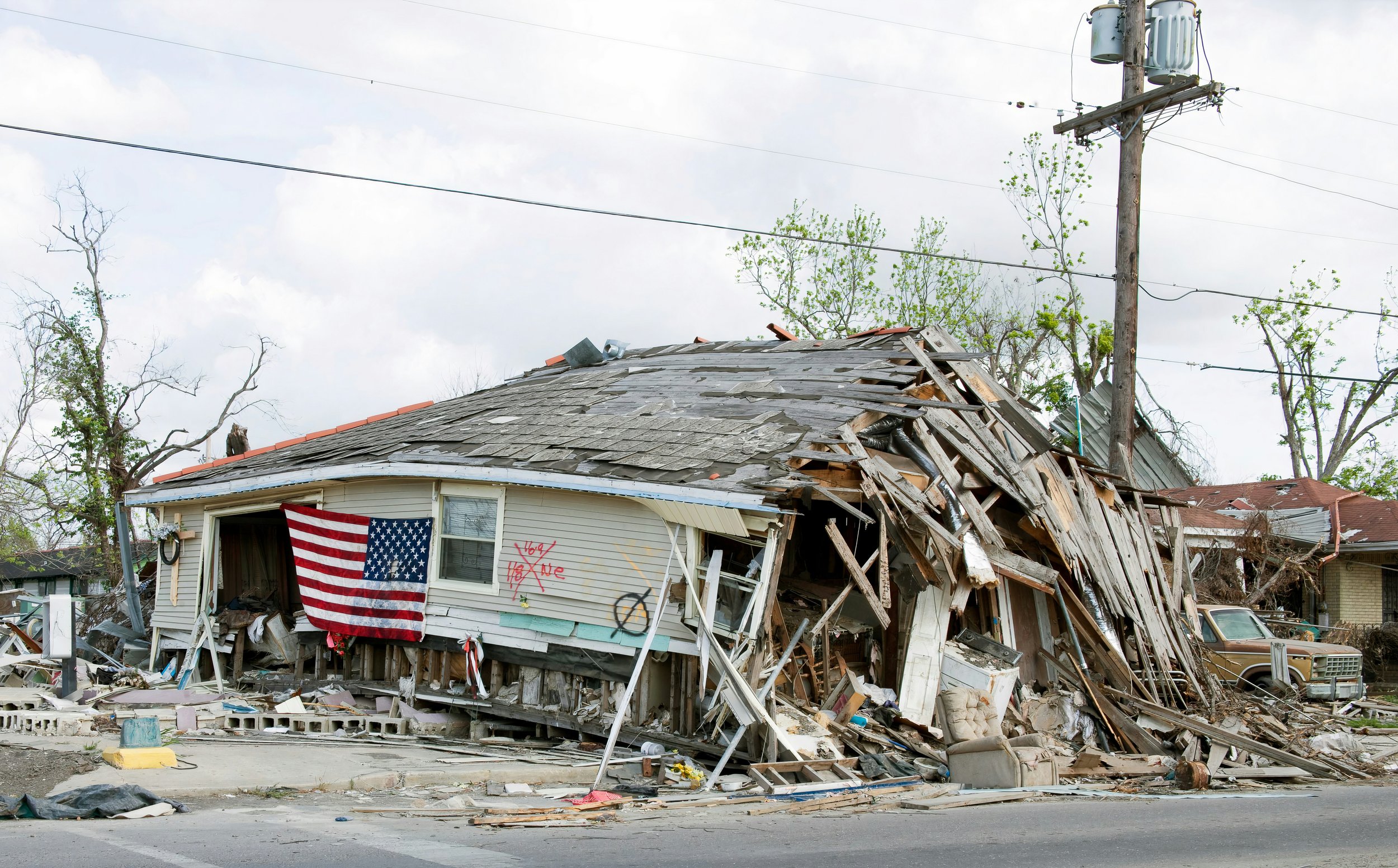
This final post in our six-part series highlights how climate denialism is shaping federal climate policy. Drawing on scientific evidence, public opinion data, and policy analysis, we explore what’s driving climate denialism, the key tenets of climate change science, and what’s at stake for communities, ecosystems, and economies when climate change denialism informs federal climate policy.
Gambling With Public Safety: How Federal Cuts Are Compromising Bay Area Climate Resilience & Emergency Readiness
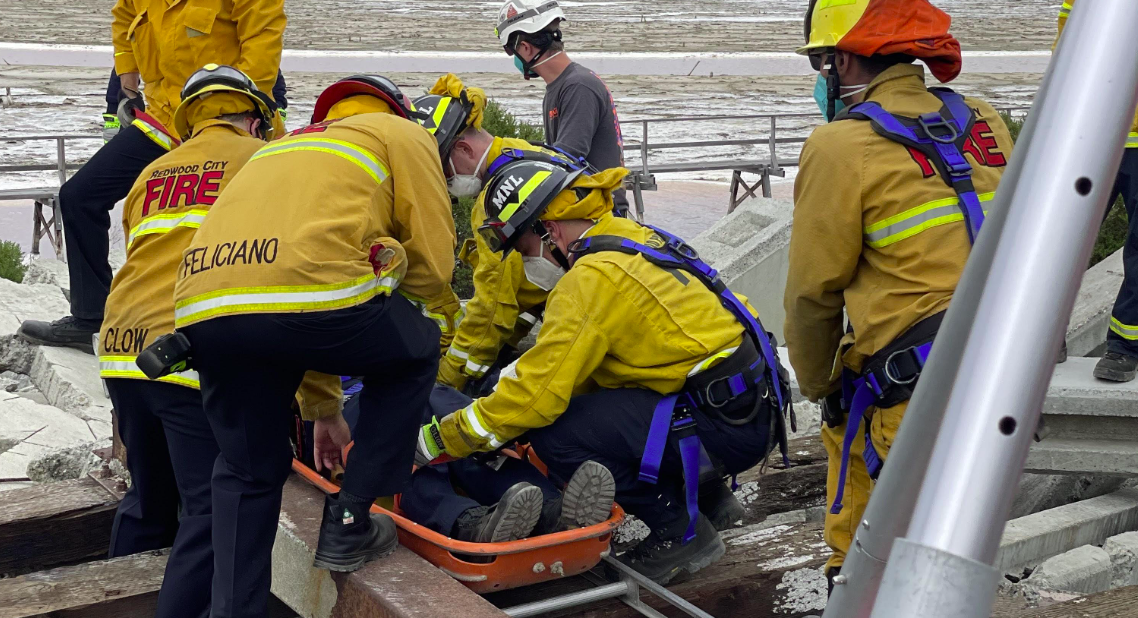
In the fifth post for our series Mapping the Federal Retreat on Climate Action, we examine how federal cuts to climate agencies and emergency preparedness programs are affecting public safety in the Bay Area right now. Using real local examples — including halted climate resilience centers, suspended infrastructure projects, and strain on first responder teams like California Task Force 3 — this post explores how weakened federal support can ripple outward into local consequences for residents, activists, and lawmakers across the greater SF Bay and Delta Region.
The Climate Safety Net: How Federal Climate Systems Quietly Support Local Resilience
Federal climate agencies do more than issue forecasts or respond to disasters — they form an interconnected safety net that supports local planning, preparedness, and resilience. This post examines how cuts to core agencies like NOAA, FEMA, and the EPA — including the dismantling of the EPA’s Office of Research and Development will have a domino effect — weaking larger systems that protect public safety and ensure disaster readiness and planning, nationally and locally.

Water Frontlines: How Federal Cuts May Increase Flood and Sea Level Risks in the Bay Area
Flooding, extreme storms, and sea level rise are becoming everyday risks for Bay Area communities — and reliable climate science plays a critical role in preparing for them. This article examines how federal cuts to forecasting, modeling, and monitoring systems could weaken early warnings and long-term planning, increasing uncertainty just as water-related climate risks accelerate.

Wildfire Risk and Federal Cuts to NOAA, FEMA, and Climate Research: What Bay Area Communities Need To Know
As wildfire seasons grow longer and more destructive, Bay Area communities increasingly rely on federal agencies for accurate forecasts, emergency preparedness, and long-term climate research. This post explains how federal funding cuts to NOAA, FEMA, and climate science programs could weaken wildfire monitoring, early warning systems, and disaster response capacity in California. Focusing on local impacts, it outlines what these changes mean for public safety, community resilience, and why protecting science-based wildfire planning matters now more than ever.
Mapping the Federal Retreat From Climate Action
The Trump administration is rolling back climate science and protections just as climate impacts intensify. Cuts to NOAA threaten weather forecasts and research, a disputed DOE report downplays greenhouse gases, and EPA moves to rescind the Endangerment Finding that underpins U.S. emissions rules. These federal retreats put communities at risk — including here in the Bay Area — but local leaders and residents can step up to defend science and push for action.