
Getting My Hands Dirty: Growing Food, Health, and Hope
By Tracey Chaykin, award-winning artist, CRBA member, and committed environmental advocate.
“This column is for those who want to feel encouraged rather than overwhelmed, inspired rather than defeated, and connected rather than alone in the work of caring for our planet.”
Have you ever heard someone talk about their “happy place”? You know, that place people jokingly tell you to go when you’re stressed, tired, or overwhelmed by the daily routine.
I don’t need to feel that way to know where mine is. My garden is my happy place.
There’s something almost instinctive about stepping into the garden on a warm summer day. As our days fill with notifications, errands, and responsibilities, I find myself reaching for a trowel instead of my phone.
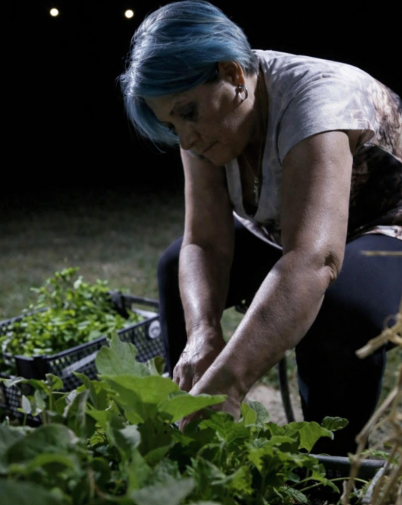
As my hands sink into the soil, I’m reminded that gardening isn’t just about growing food — it’s about growing well-being.
For years, I’ve noticed that time spent in the garden leaves me feeling calmer, more grounded, and more connected to the rhythms of the natural world.
It turns out there’s science behind that feeling.
Research suggests that exposure to beneficial soil microorganisms, including Mycobacterium vaccae, may positively influence mood and help reduce stress by interacting with our immune systems and brain chemistry.
Even brief periods of gardening have been linked to lower stress levels, improved focus, and greater overall well-being.
Our increasingly indoor lives often separate us from the natural environments our bodies evolved to interact with. Gardening offers a simple way back. Getting our hands dirty reconnects us with living soil—and perhaps with a healthier version of ourselves.
But the rewards don’t stop there.
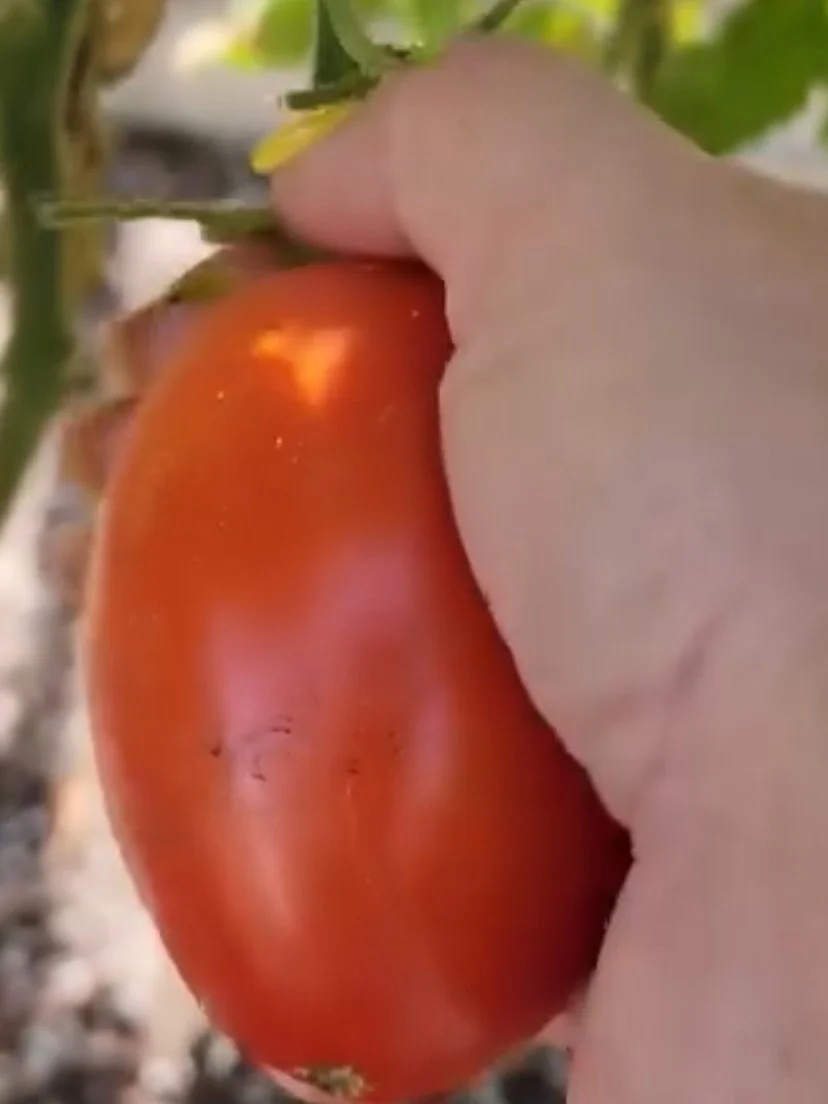
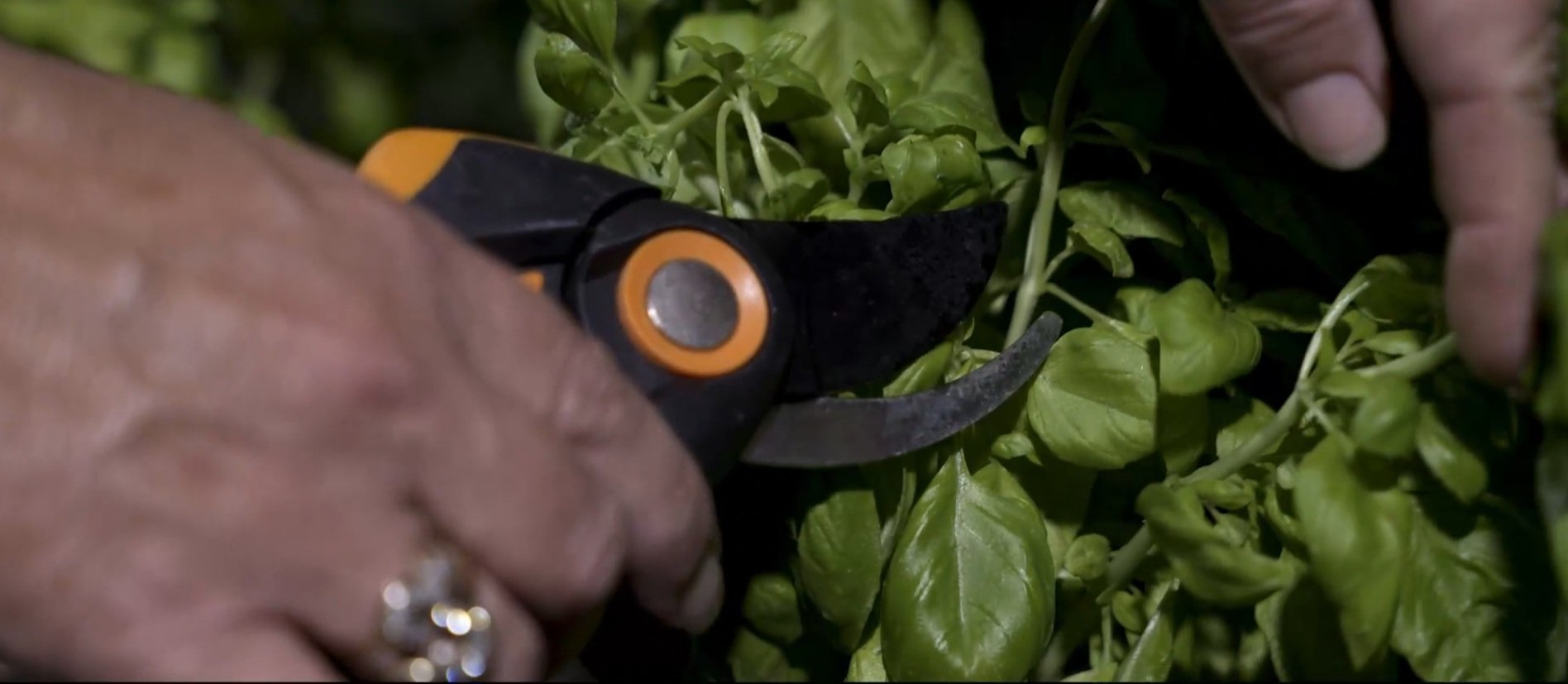
One of my favorite parts of summer gardening is harvesting food just steps from my kitchen. There’s a special satisfaction in picking sun-warmed tomatoes, snipping fresh herbs, or gathering crisp greens for dinner.
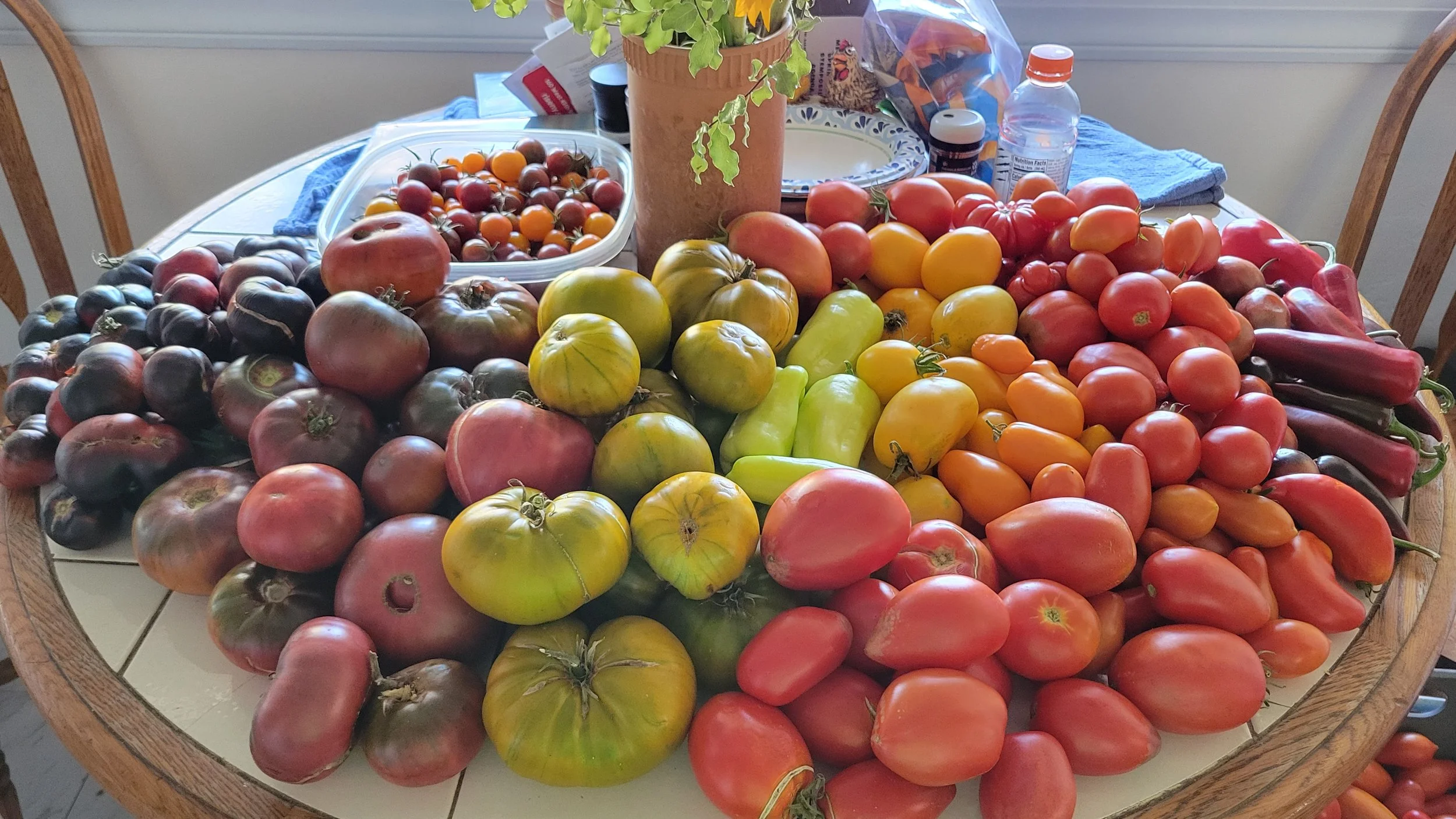
Homegrown produce often travels only a few feet from garden to table, preserving freshness and reducing environmental impacts associated with transportation, packaging, and storage.
Growing even a small portion of our own food also helps us develop a deeper appreciation for the resources required to nourish ourselves. We become more mindful of water, seasons, pollinators, and soil health. Food becomes less of a commodity and more of a relationship.
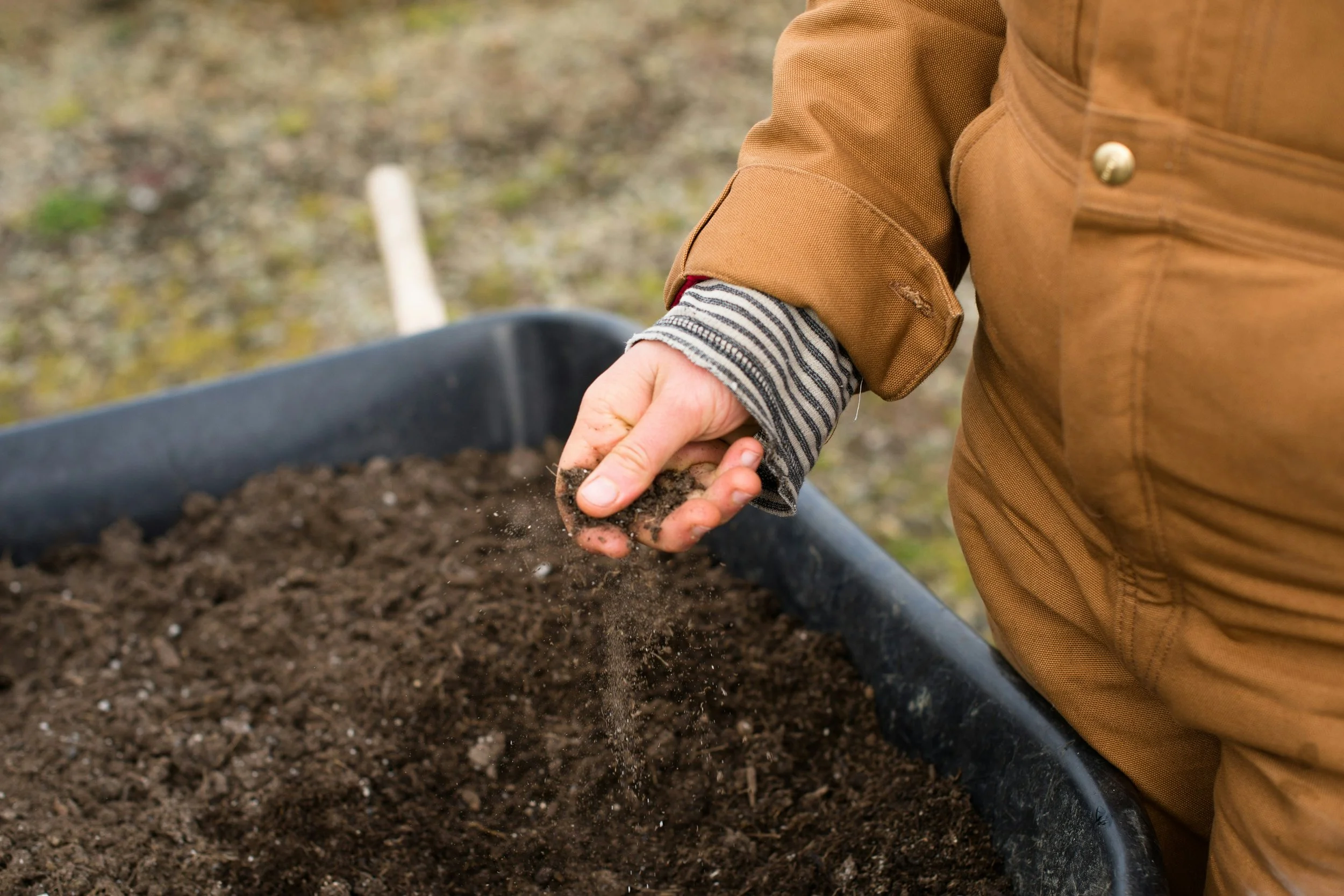
Over time, my garden has evolved beyond simply producing vegetables. It has become a place to practice basic regenerative agriculture principles — small actions that support healthier ecosystems while helping to draw carbon from the atmosphere back into the soil.
Healthy soil functions much like a savings account for carbon.
Through photosynthesis, plants pull carbon dioxide from the atmosphere and transfer some of that carbon into the soil through their roots. When we protect and nourish the soil ecosystem, we help keep more of that carbon underground, where it supports microbial life, improves water retention, and builds resilience.
Trees have been doing this naturally for millions of years. Our gardens can, too.
I’ve embraced simple practices that protect the soil rather than disturb it.
I add compost to feed the soil food web, mulch generously to keep the ground covered, leave roots in place after harvesting, and disturb the soil as little as possible.
These small changes help preserve soil structure, reduce erosion, retain moisture, and create a thriving habitat for beneficial organisms.
The goal isn’t perfection — it’s partnership.
Every handful of compost, every layer of mulch, and every pollinator-friendly flower contributes to a healthier, more resilient ecosystem. While one backyard garden won’t solve climate change, millions of gardens practicing regenerative principles can collectively make a meaningful difference.
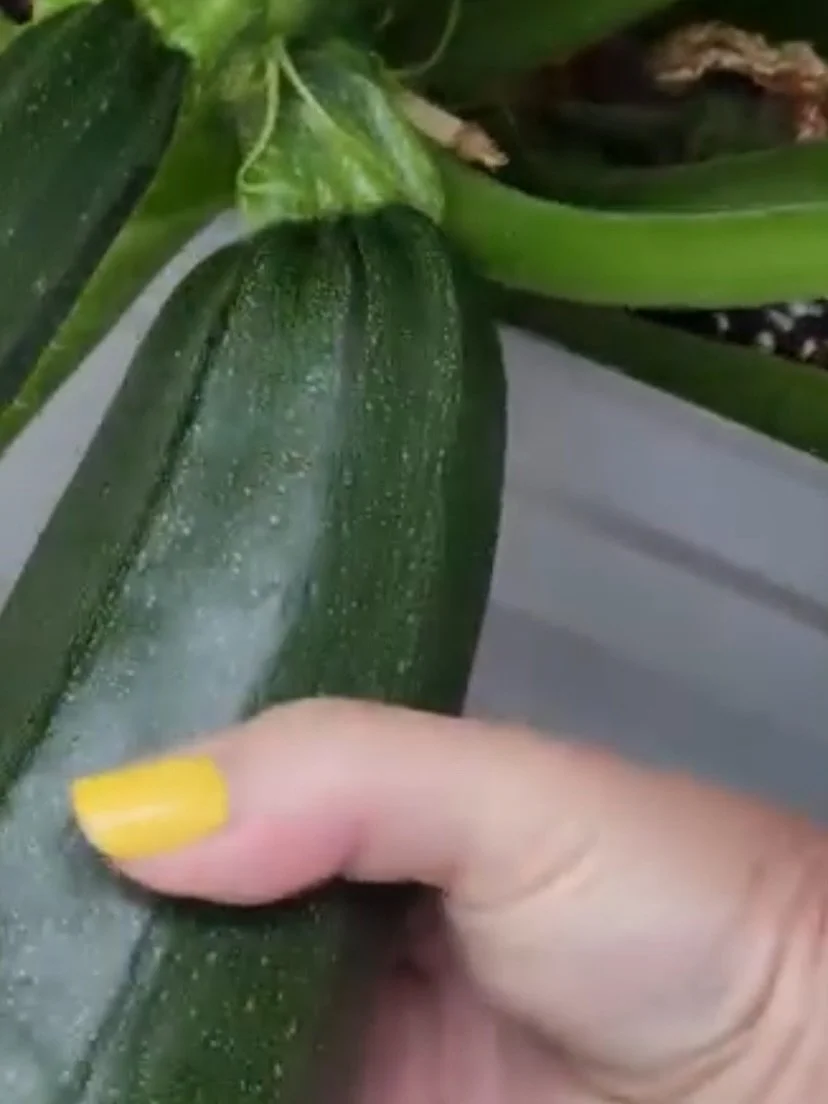
This summer — whether your garden is your farm, your backyard, or your porch or balcony — I hope you’ll consider planting something edible, sinking your hands into the soil, and discovering the quiet joy that comes from nurturing life.
Your garden doesn’t have to be large to have an impact.
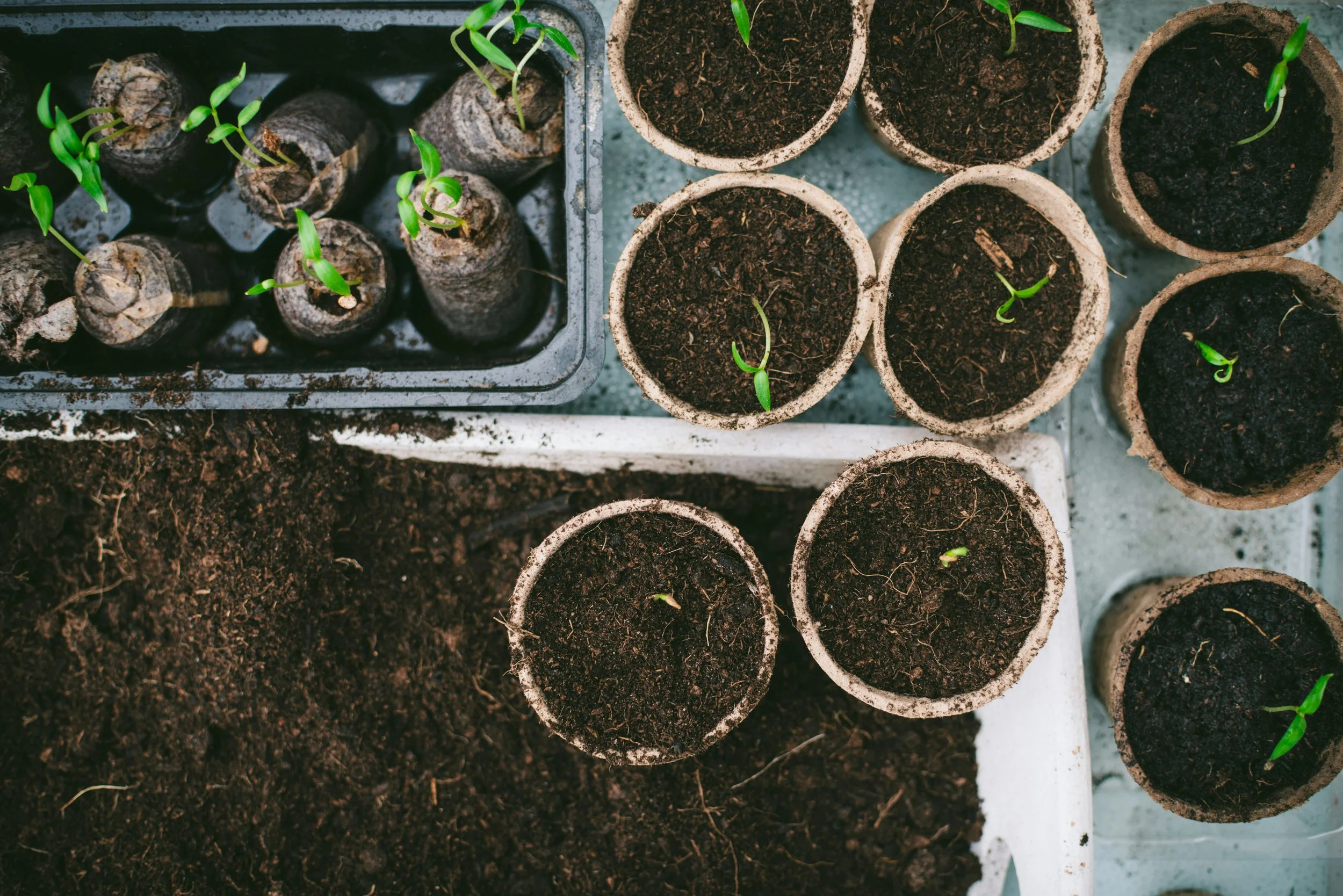
Sometimes, change begins with a single seed.
Links to Helpful Resources…
1. Garden for the Environment
The San Francisco-based Garden for the Environment is supported by the Earth Island Institute and is a great starting place for gardening advice that’s both local and environmentally focused.
They offer workshops and classes, lively and informative blog pages, and links to additional resources.
2. Gardening Societies
The National Gardening Association
3. Gardening Guides
How to Start a Vegetable Garden (Beginner’s Guide) | The Old Farmer's Almanac
Rodale's Basic Organic Gardening by Deborah L. Martin
4. Conservation Gardening
Gardening for Pollinators and Helpful Wildlife
Nature's Best Hope: A New Approach to Conservation That Starts in Your Yard
Small Space Wildlife Gardening
5. Urban and Apartment Gardening
Patio and Container Gardens - California Native Plant Society